Bloomberg Weekend 2026: Analyzing Global Market Shifting Trends
The Bloomberg This Weekend broadcast on May 9, 2026, provided a comprehensive overview of the intersection between international diplomacy, financial regulation, and cultural shifts. Hosted by David Gura, Christina Ruffini, and Lisa Mateo, the program offered critical insights into how geopolitical tensions and emerging technologies are reshaping the global investment landscape for the remainder of the decade.
The primary focus of this session centered on the evolving relationship between the United States and China, the regulatory future of digital assets, and the growing importance of the "cultural economy." By gathering experts from diverse fields, the broadcast highlighted that modern market movements are no longer dictated solely by balance sheets but by complex diplomatic maneuvers and technological breakthroughs.
The Geopolitical Chessboard: US-China Relations in 2026
Nicholas Burns, former Ambassador to China and Professor at Harvard University, emphasized that the economic decoupling between Washington and Beijing has entered a new, more stabilized phase. The discussion suggested that while strategic competition remains intense, both nations are finding pragmatic ways to maintain trade flows in non-sensitive sectors, providing a much-needed sigh of relief for global supply chains.
In terms of simple logic, the diplomatic stance of the United States significantly dictates the risk premium applied to emerging markets. Nicholas Burns pointed out that stability in the Pacific is the single most important factor for maintaining the current momentum in global trade. Investors are closely watching these diplomatic signals to calibrate their exposure to international manufacturing hubs.
"The stability of the 21st-century economy depends on a transparent and predictable diplomatic relationship between the world's two largest powers, even amidst systemic rivalry," noted Nicholas Burns during the broadcast.
Regulation and the Future of Fintech with Gary Gensler
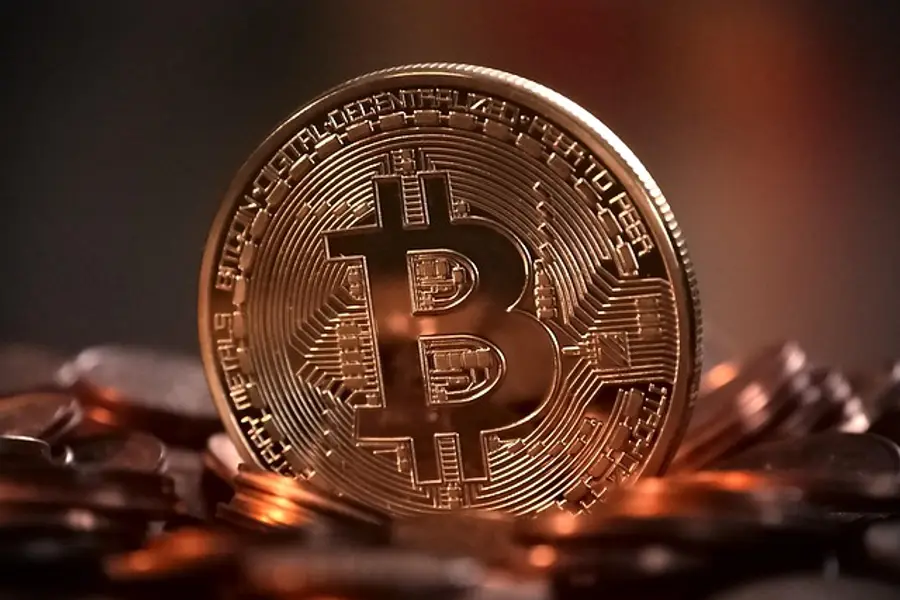
Gary Gensler, the former Chair of the CFTC and current MIT Professor, provided a technical breakdown of the current regulatory environment for financial technology. He argued that the maturation of blockchain technology requires a robust legal framework to protect retail investors while fostering institutional innovation. His analysis remains a cornerstone for understanding the trajectory of decentralized finance.
The answer to the question of market volatility often lies in regulatory clarity. Gary Gensler highlighted that the integration of digital assets into the traditional banking system is inevitable but must be governed by strict transparency rules. This perspective is vital for institutions currently deciding whether to increase their allocations toward crypto-assets and fintech infrastructure in 2026.
The practical implication is that the "Wild West" era of crypto is officially over, replaced by a structured environment that favors long-term utility over short-term speculation. Experts evaluate that this shift will lead to lower volatility but higher entry barriers for new fintech startups, as compliance costs become a significant factor in business scalability.
Technology, Policy, and the American Industrial Strategy
Representative Ro Khanna of California joined the panel to discuss the legislative efforts to revitalize the American technology sector. He emphasized that the "New Industrial Revolution" is centered on domestic semiconductor production and green energy technology. This policy shift is designed to reduce reliance on foreign entities and secure the domestic tech supply chain.
According to official data, the legislative focus on domestic manufacturing has already begun to shift investment flows within the S&P 500. Ro Khanna argued that for the United States to remain competitive, it must bridge the gap between Silicon Valley innovation and Rust Belt manufacturing capabilities. This alignment is expected to create new opportunities for industrial-tech convergence.
The Cultural Economy and Alternative Assets
Max Hollein, CEO of the Metropolitan Museum of Art, and Daniel Dae Kim, producer of 'K-Everything,' discussed the rising influence of culture as a tangible economic driver. As traditional markets face headwinds, alternative assets such as high-end art and global media intellectual property are becoming increasingly attractive to diversified portfolios seeking non-correlated returns.
In summary, the "K-Everything" phenomenon demonstrates how cultural exports can influence currency demand and tourism revenue on a national scale. The Metropolitan Museum's insights further suggest that the art market is evolving into a more liquid asset class, supported by digital provenance and global demand from a new generation of wealth-holders.
Impact on the Brazilian Market and Investors
For Brazilian investors, the insights from the Bloomberg panel are particularly relevant due to the country's heavy reliance on commodity exports to China. Any shift in US-China relations, as discussed by Nicholas Burns, directly affects the demand for Brazilian soy and iron ore, which are the main drivers of the IBOVESPA's performance.
The response to global interest rate changes is also a key concern for the Brazilian Central Bank. As Ro Khanna discussed the expansion of US industrial policy, the resulting fiscal pressure in the United States could lead to a stronger Dollar (USD/BRL). This scenario typically forces Brazil to maintain higher interest rates (Selic) to control imported inflation and currency depreciation.
The practical impact on Brazilian crypto investors is also significant. As Gary Gensler outlines the roadmap for US regulation, the Brazilian Securities and Exchange Commission (CVM) and the Central Bank of Brazil often follow suit. Investors in Brazil should expect more stringent reporting requirements for digital assets, mirroring the institutionalization occurring in the Northern Hemisphere.
Investment Risks and Opportunities for 2026
- Geopolitical Risk: Potential trade disruptions if US-China diplomatic channels fail to maintain their current pragmatic stabilization.
- Regulatory Opportunity: Increased institutional adoption of crypto-assets as the legal framework becomes more predictable under international standards.
- Tech Growth: Opportunities in American industrial-tech firms benefited by domestic subsidies and the CHIPS Act.
- Currency Volatility: Brazilian investors face ongoing risks of Real (BRL) depreciation if US inflation remains sticky due to industrial spending.
What to Expect for the Rest of the Quarter
Especialistas avaliam que the remainder of 2026 will be characterized by "cautious optimism." The convergence of stabilized diplomacy and technological maturation suggests that the markets are entering a period of more sustainable, albeit slower, growth. Investors should prioritize diversification across traditional and alternative asset classes to mitigate idiosyncratic risks.
The point principal is that the global economy is becoming more fragmented yet more interconnected through technology. While physical trade routes face geopolitical challenges, the digital and cultural exchange continues to accelerate. Navigating this landscape requires a sophisticated understanding of both policy shifts in Washington and consumer trends in Seoul and New York.
In conclusion, the Bloomberg This Weekend report serves as a vital barometer for the global economy. For the Brazilian market, the message is clear: stay focused on the US-China relationship and be prepared for a more regulated, institutionalized digital asset environment. The interplay between these factors will determine the success of investment strategies in the coming months.