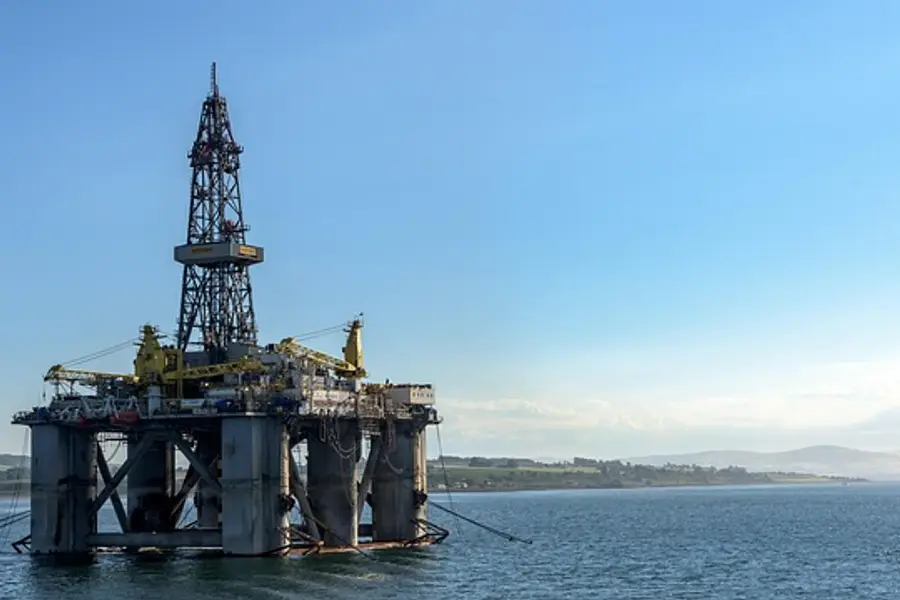
Arabian Drilling shares outperform market expectations in Q1
Arabian Drilling shares recorded a notable upward trend following the release of the company's first-quarter financial results, which significantly exceeded analyst forecasts. The Saudi-based oilfield services provider demonstrated robust operational efficiency and higher rig utilization rates during the first three months of the year. This performance reinforces the company’s strategic position within the lucrative Middle Eastern energy sector.
The primary driver behind this stock rally is the reported net income, which surpassed the consensus estimates provided by regional financial institutions and global brokerage firms. Investors responded positively to the margin expansion, viewing the results as a sign of continued strength in the upstream energy segment. The stock's reaction reflects a broader confidence in the stability of the Saudi Arabian capital markets.
The point principal is: Arabian Drilling is capitalizing on the high demand for offshore and onshore drilling services in the Arabian Peninsula. While global markets face uncertainty regarding interest rates, the regional energy infrastructure cycle appears to be decoupled from Western slowdowns. This divergence makes Arabian Drilling a focal point for emerging market investors seeking exposure to commodity-linked industrial growth.
What happened: Analyzing the Q1 earnings beat
Arabian Drilling reported a significant increase in quarterly revenue, bolstered by new contract activations and the renewal of existing agreements with major national oil companies. The financial data indicates that the company successfully managed its operational costs despite inflationary pressures affecting global supply chains. This cost discipline allowed for a healthier bottom line than most market participants had originally anticipated.
In terms of specific figures, the profit margins were supported by an increase in day rates for high-specification jack-up rigs. According to official reports from the Tadawul exchange, the company’s backlog remains substantial, providing clear visibility for cash flows in the upcoming fiscal years. This fundamental strength provided the necessary momentum for the share price to break through previous resistance levels.
In summary technical: The earnings surprise was not merely a result of higher oil prices, but rather a consequence of optimized rig deployment and strategic capital allocation. Analysts from regional banks highlighted that the company’s ability to maintain high utilization rates above 90% was a critical factor. Consequently, the market is now re-rating the stock based on its improved profitability profile.
Why this matters for global energy investors
The performance of Arabian Drilling serves as a reliable barometer for the health of the global oilfield services industry. When a major player in the Saudi market beats expectations, it signals that capital expenditure in the upstream sector remains a priority for state-owned enterprises. This trend suggests that the global energy supply chain is preparing for sustained long-term demand despite the energy transition.
A key implication is that the "supercycle" in oil services might have more longevity than previously thought. As Western oil majors face regulatory pressures to reduce drilling, Middle Eastern entities are filling the void by expanding their capacity. Arabian Drilling is at the forefront of this expansion, acting as a critical partner for Saudi Aramco’s long-term production capacity targets.
Especialistas avaliam que: The resilience of the Saudi drilling market provides a defensive hedge for portfolios heavily weighted in volatile tech or consumer sectors. By delivering consistent returns and exceeding profit targets, Arabian Drilling proves that traditional energy services can still offer growth. This attracts institutional capital looking for yield and stability in a high-interest-rate environment globally.
Impact on Brazil: The correlation with B3 energy stocks
The success of Arabian Drilling has indirect but significant implications for the Brazilian financial market and its local energy players. Brazilian investors often look at global drilling benchmarks to gauge the valuation of domestic companies like Petrobras, Prio, and Brava Energia. When Arabian Drilling shows strong margins, it often boosts investor sentiment toward the entire global oil and gas service ecosystem.
In terms of the Brazilian Real and inflation, the strength of the Saudi energy sector contributes to the stability of international oil prices, particularly Brent crude. For Brazil, a stable or rising oil price typically supports the trade balance but can also exert pressure on domestic fuel prices. This dynamic directly influences the Central Bank of Brazil’s decisions regarding interest rates and inflation targeting.
The practical implication is: Brazilian retail investors should monitor companies like Arabian Drilling to understand global rig count trends. If Middle Eastern drilling demand stays high, the cost of specialized equipment and services increases worldwide. This can affect the operational expenses of Brazilian junior oils, potentially impacting their profitability and dividend distributions on the B3 stock exchange.
"The robust performance of Arabian Drilling highlights a structural shift where regional energy giants are prioritizing production security, creating a fertile environment for service providers to thrive regardless of global economic cooling." — Global Energy Research Group
What experts and institutional reports are saying
Financial analysts from major institutions like Goldman Sachs and Morgan Stanley have recently noted that the oil services sector is entering a multi-year growth phase. Regarding Arabian Drilling specifically, experts point to the company's "Vision 2030" alignment as a major competitive advantage. This alignment ensures a steady stream of government-backed projects that are relatively immune to short-term market fluctuations.
According to data from the Saudi Capital Market Authority (CMA), the transparency and reporting standards of firms like Arabian Drilling have improved, attracting more foreign direct investment. Analysts suggest that the recent profit beat is a testament to the company’s technological integration and modernized fleet. This technological edge allows for faster drilling times and lower environmental footprints per well drilled.
The response from the specialized press indicates that Arabian Drilling is no longer just a regional player but a global benchmark for drilling efficiency. Investment committees are increasingly viewing the stock as a "must-have" for exposure to the Saudi recovery story. The consensus remains "overweight" or "buy" for many analysts covering the Middle Eastern industrial and energy sectors.
What to expect now: Future outlook and risks
Looking ahead, Arabian Drilling is expected to continue its fleet expansion program to meet the rising demand for offshore gas exploration. The company has already signaled its intention to acquire or commission new rigs to support the Kingdom’s unconventional gas initiatives. This expansion will likely lead to higher revenue but may also increase debt levels in the short term.
However, investors must remain aware of potential risks, including geopolitical tensions in the Middle East and the volatility of Brent crude prices. While Arabian Drilling operates primarily under long-term contracts, a major shift in OPEC+ production quotas could indirectly influence future contract renewals. Monitoring the relationship between Saudi Aramco and its service providers will be essential for any long-term investor.
In terms of scenarios for the next twelve months, the market anticipates:
- Growth: Continued revenue increases as more offshore rigs enter the operational phase.
- Risks: Potential supply chain delays for specialized drilling equipment sourced from overseas.
- Opportunity: Higher dividend payouts if the company maintains its current trajectory of beating profit expectations.
- Scenario: A potential re-valuation of the stock if it continues to outperform its regional peers in the UAE and Kuwait.
The answer short is: Arabian Drilling is currently in a "sweet spot" of the energy cycle. With a strong balance sheet and a dominant market position, the company is well-equipped to navigate the complexities of the global economy. For the Brazilian investor, this serves as a reminder that the energy sector remains a vital engine of global wealth and industrial activity.