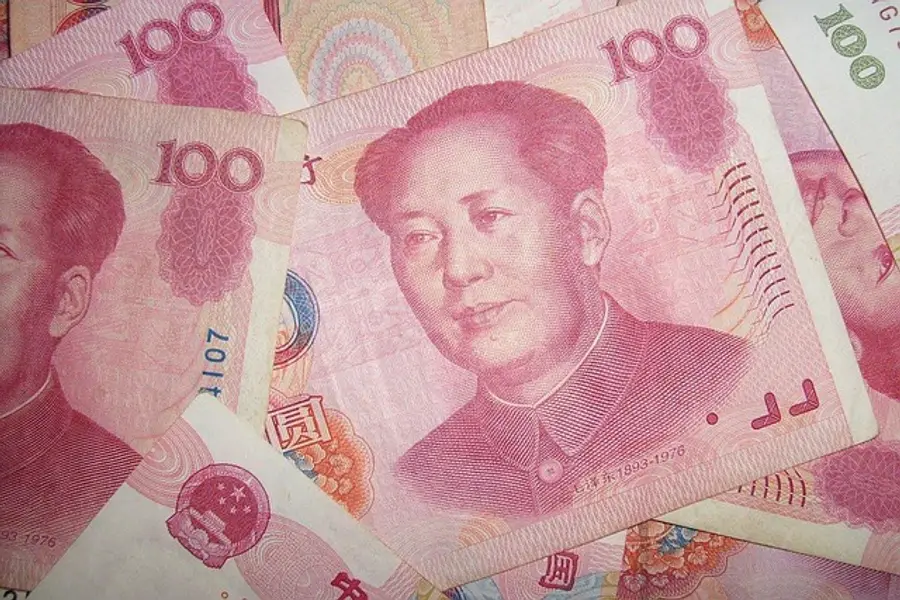
Yuan Surge Threatens Global Financial Flows
The Chinese yuan could strengthen dramatically to five per dollar if local exporters decide to unwind their massive holdings of US dollars. This potential shift, highlighted by Macquarie Group, threatens to trigger a rapid reversal of capital flows that could shake global markets, including emerging economies like Brazil.
Global investors are closely watching this currency movement because a sudden surge in the yuan could disrupt international carry trades. In simple terms, as the interest rate differential between the United States and China narrows, corporate behaviors are shifting rapidly, forcing asset managers to re-evaluate their risk exposures across Latin America.
For Brazilian investors, this macroeconomic shift carries direct consequences for commodity prices, local interest rates, and the valuation of the real. Understanding how Chinese corporate treasuries handle their foreign currency reserves is now essential for predicting capital flows into emerging-market equities and fixed-income assets.
What Happened
Chinese corporations have accumulated an estimated $500 billion to $1 trillion in US dollar-denominated assets over the past few years. According to official data, these firms preferred holding dollars to benefit from higher US interest rates compared to domestic yields, creating a substantial structural imbalance in onshore foreign exchange markets.
The main point is that this massive stockpile of greenbacks represents a coiled spring for the Chinese currency. Macquarie Group reports that if the Federal Reserve begins aggressive interest rate cuts, the incentive for Chinese exporters to hold US dollars will collapse, leading to an unprecedented wave of conversion back into yuan.
In technical summary, this corporate unwind of dollar holdings could trigger a rapid carry-trade exit. If local exporters convert even a fraction of their foreign currency holdings, the onshore yuan could surge toward five per dollar, a level not seen in decades, completely reshaping global currency valuations.
Why It Matters
A rapidly appreciating Chinese currency would alter the dynamics of global trade and international capital flows overnight. Experts assess that a stronger yuan reduces China's export competitiveness while significantly boosting its purchasing power for raw materials, which in turn influences global supply chains and commodity pricing models.
The practical implication is that global asset allocators would be forced to rebalance their portfolios away from dollar-denominated assets. This shift could trigger a broader depreciation of the US dollar against a basket of global currencies, creating both volatility and opportunities in international bond and equity markets.
Additionally, the People's Bank of China faces the complex challenge of managing this potential capital influx without causing domestic economic disruption. The monetary authority must balance the benefits of a stronger currency against the risks of hurting local manufacturing sectors that rely on competitive export pricing.
Impact on Brazil
The economic relationship between Brazil and China means that any major fluctuation in the yuan directly impacts the Brazilian economy. A stronger Chinese yuan typically increases the purchasing power of Chinese importers, which historically drives up demand and prices for Brazilian agricultural and mineral exports, such as soy and iron ore.
Consequently, higher commodity prices could help strengthen the Brazilian real against the US dollar, potentially easing domestic inflation pressures. The Central Bank of Brazil might then find more room to manage local interest rates, benefiting domestic credit markets and stimulating long-term economic growth across various industrial sectors.
However, volatility in global carry trades could also trigger short-term capital flight from the Brazilian stock exchange, known as B3. Brazilian retail investors should prepare for increased fluctuations in local equity funds, commodity-linked stocks like Vale and Petrobras, and foreign-exchange hedged investment instruments.
In the cryptocurrency market, a weaker US dollar and a shifting global monetary landscape could boost demand for decentralized assets in Brazil. Local digital asset platforms might see increased trading volumes as institutional and retail investors seek refuge in Bitcoin and stablecoins to hedge against fiat currency volatility.
What Experts Say
Analysts from major financial institutions suggest that the timing of this currency shift depends heavily on the monetary policy of the Federal Reserve. If the US central bank lowers interest rates faster than expected, the narrowing yield gap will accelerate the repatriation of Chinese capital.
According to reports from Macquarie Group, the scale of corporate dollar holdings in China represents a powerful latent force in foreign exchange. Economists note that while a rate of five yuan per dollar is an extreme scenario, a move toward six yuan is highly probable under current macroeconomic projections.
"The potential unwinding of dollar assets by Chinese exporters could trigger a historic capital flow reversal, fundamentally shifting the balance of global currency markets," noted the Macquarie research team in their latest analytical briefing.
What to Expect Now
Investors should closely monitor upcoming Federal Reserve policy meetings and the official trade data released by the Chinese government. These indicators will provide critical clues regarding the speed of corporate dollar conversions and the subsequent direction of global capital reallocation.
In terms of investment strategies, diversification remains the most effective tool to mitigate the risks associated with this potential currency shock. Allocating capital across defensive sectors, high-quality fixed income, and select commodities can help protect portfolios from unexpected swings in global foreign exchange rates.
The short answer is that the global currency landscape is entering a period of heightened sensitivity. As the era of high US interest rates begins to transition, the movements of Chinese corporate treasuries will play a defining role in shaping global market trends for years to come.
Key Risks and Opportunities
To help investors navigate this transition, we have compiled a list of the primary market factors to watch. These elements represent both potential vulnerabilities and strategic openings for global and Brazilian market participants over the coming fiscal quarters.
- Commodity Price Surge: A stronger Chinese yuan boosts purchasing power, potentially driving up global demand and prices for Brazilian exports.
- Global Carry Trade Unwind: Rapid capital shifts could trigger short-term liquidity squeezes and high volatility in emerging market equities.
- Brazilian Real Appreciation: Positive trade balances might strengthen the local currency, helping to curb domestic inflation.
- Cryptocurrency Adoption: Increased fiat currency volatility may accelerate institutional and retail capital flows into digital assets in Brazil.