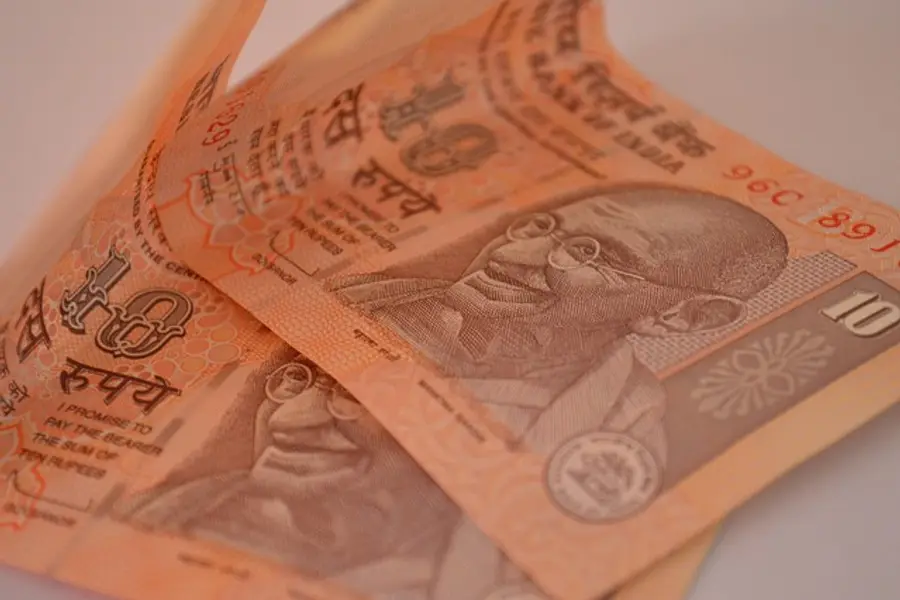
What Happened to the Indian Rupee?
The Indian rupee may now be undervalued following its recent sharp depreciation against the US dollar. Reserve Bank of India Governor Sanjay Malhotra stated in an interview with Mint that macroeconomic fundamentals suggest the currency has deviated from its fair value. This development signals a potential shift in the central bank's intervention strategy.
Global investors are monitoring the situation closely because a weak rupee affects emerging market asset allocations. For Brazilian investors, currency movements in major developing economies like India often trigger capital reallocation across Latin America. Understanding this currency dynamic is crucial for evaluating global portfolio risks and emerging market equity trends.
The main point is that emerging market currencies are facing severe pressure from a strong US dollar. When a major central bank like the Reserve Bank of India flags currency undervaluation, it indicates that policy tools may soon be deployed to support the national currency. This scenario changes global carry trade dynamics.
Why the Rupee Undervaluation Matters
According to official data, the Indian rupee has experienced persistent downward pressure due to foreign capital outflows and high US Treasury yields. The Reserve Bank of India has actively managed the currency's volatility using its massive foreign exchange reserves. However, the recent depreciation has led policymakers to declare that the currency is undervalued.
In simple terms, the rupee's current market price does not reflect India's strong economic growth and stable inflation rates. When a currency depreciates despite solid domestic fundamentals, economists classify it as undervalued. Governor Sanjay Malhotra highlighted this divergence, suggesting that speculative forces might be driving the rupee lower than warranted.
The practical implication is that the Reserve Bank of India may increase its direct market interventions to stabilize the rupee. By selling US dollars from its reserves, which stood at over $600 billion, the central bank can easily defend the currency. This policy stance aims to curb imported inflation and reassure foreign investors.
Impact on Brazil and Emerging Markets
The short answer is that currency valuation affects global trade competitiveness and foreign direct investment flows. An undervalued Indian rupee makes India’s exports cheaper but increases the cost of vital imports like crude oil. Because India imports over 80% of its oil, a weak currency directly fuels domestic inflationary pressures.
Furthermore, international institutions like the International Monetary Fund monitor these currency deviations to assess global macroeconomic imbalances. When a major emerging economy's currency becomes undervalued, it can distort trade balances with key partners. Consequently, global fund managers must adjust their currency hedging strategies to protect portfolios from sudden foreign exchange reversals.
Financial specialists assess that the current valuation gap presents both risks and opportunities for multinational corporations operating in South Asia. Companies with dollar-denominated debts face higher servicing costs when the rupee weakens. Conversely, export-oriented sectors such as information technology and pharmaceuticals stand to benefit from increased profit margins in the short term.
The connection between Indian monetary policy and the Brazilian financial market is driven by global emerging market fund flows. When international investors perceive the Indian rupee as undervalued, they may reallocate capital from Latin America to South Asia. This shift can impact the Brazilian real, the B3 stock exchange, and local bond yields.
In Brazil, a stronger US dollar combined with emerging market volatility typically pressures the Brazilian Central Bank to maintain higher interest rates. If capital flees emerging markets to chase safer US assets, the Brazilian real depreciates, fueling domestic inflation. Therefore, local retail investors must monitor global currency shifts to protect their purchasing power.
Regarding alternative assets, the cryptocurrency market in Brazil often reacts to global currency instability. When traditional fiat currencies like the rupee or the real devalue, local demand for stablecoins and Bitcoin generally increases. Brazilian investors increasingly use digital assets as a hedge against currency debasement and macroeconomic uncertainty.
What Financial Experts and Global Institutions Say
According to recent reports from major Wall Street investment banks, the rupee's depreciation is temporary. Analysts suggest that India’s strong gross domestic product growth, projected at over 6.5% by the International Monetary Fund, will support currency recovery. Therefore, many financial institutions view the current undervaluation as a buying opportunity.
Many financial analysts agree that the Reserve Bank of India has sufficient financial buffers to prevent a disorderly currency devaluation. The central bank's foreign currency assets allow it to smooth out extreme market volatility. Consequently, market experts expect the rupee to stabilize near its long-term average value in the coming quarters.
"The Indian rupee's current deviation from its equilibrium value is a temporary market anomaly, given the country's robust macroeconomic framework and ample foreign exchange reserves," according to an IMF regional economic report.
What to Expect Next in Global Markets
Looking ahead, global markets will focus on the Federal Reserve’s interest rate trajectory and its impact on the US dollar. If the Federal Reserve begins lowering interest rates, capital will likely flow back into emerging economies, strengthening both the Indian rupee and the Brazilian real. This scenario would relieve pressure on global central banks.
In summary, the Indian rupee's undervaluation highlights the growing tension between domestic economic strength and global monetary tightening. Investors should prepare for increased currency volatility and potential central bank interventions. Strategic asset allocation across emerging markets remains essential for managing these global macroeconomic risks successfully.
To help investors navigate this complex global economic environment, financial market analysts have identified several key scenarios and risks. Understanding these factors can help portfolio managers optimize their emerging market exposure and protect their capital against sudden foreign exchange shifts.
- Currency Intervention Scenario: The Reserve Bank of India aggressively sells dollars to lift the rupee, stabilizing import costs and reducing domestic inflation.
- Capital Flight Risk: Persistent high interest rates in developed nations continue to draw capital away from emerging markets, including India and Brazil.
- Brazilian Real Correlation: A recovery in the rupee boosts overall emerging market sentiment, indirectly supporting the Brazilian real and local asset prices.
- Hedging Opportunities: Brazilian retail investors utilize stablecoins and international exchange-traded funds to hedge against local currency volatility and macroeconomic shifts.