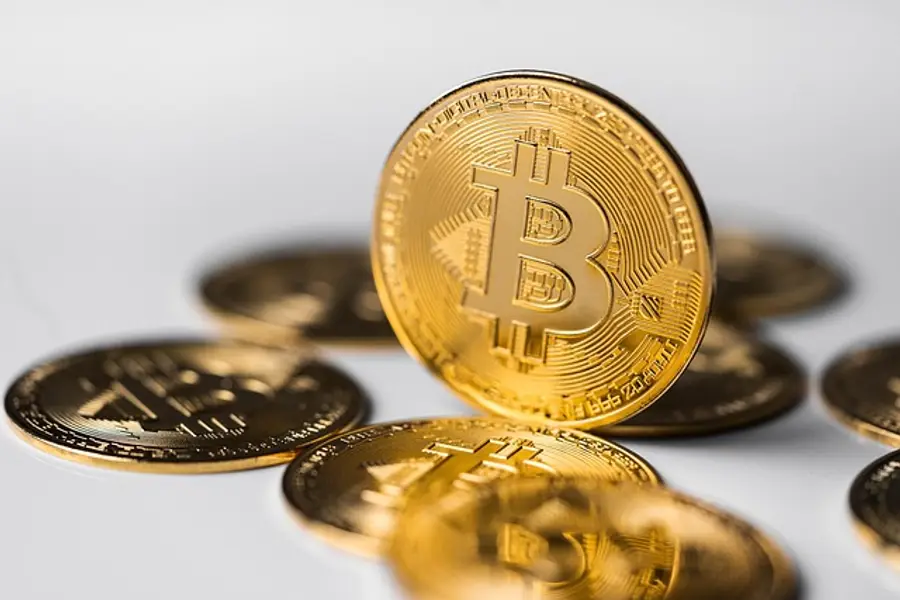
Bitcoin gold gap: Why the digital asset faces a 26% undervaluation
Bitcoin is currently trading at a significant discount relative to gold, showing a 26% relative undervaluation according to recent market analysis. This divergence occurs as gold reaches new historical peaks while Bitcoin remains consolidated below its previous all-time highs. The gap suggests a disconnect between traditional and digital stores of value in the current macroeconomic environment.
In simple terms, if Bitcoin were to follow the historical price correlation it shares with gold, its market value would be substantially higher. Dovile Silenskyte, an analyst for the Crypto Long & Short report, suggests that this undervaluation represents a potential realignment opportunity for long-term investors. This analysis challenges the prevailing view that Bitcoin only moves as a high-beta risk asset.
The main point is that the "digital gold" thesis remains structurally intact despite short-term price volatility. Experts indicate that while gold has benefited from central bank purchases and geopolitical tensions, Bitcoin’s price action has been more closely tied to liquidity cycles and institutional ETF flows. This 26% gap highlights a rare decoupling between the two leading non-sovereign assets.
What happened in the global markets
The current 26% undervaluation stems from gold’s aggressive rally throughout late 2023 and 2024, which was not immediately mirrored by Bitcoin. While gold investors reacted to sovereign debt concerns and global inflation, the cryptocurrency market focused on the absorption of spot ETFs in the United States and evolving regulatory landscapes under the SEC.
According to data from Glassnode and CoinDesk, the correlation between Bitcoin and gold has fluctuated but remains a primary metric for institutional valuation. The response from global exchanges indicates that while retail interest remains steady, institutional "smart money" is increasingly looking at this price gap as a strategic entry point for portfolio diversification and hedging.
Especialistas avaliam que the discrepancy is a result of different liquidity profiles. Gold is a mature, trillion-dollar market with deep central bank integration, whereas Bitcoin is still transitioning into a mainstream financial instrument. This transition phase often leads to periods of extreme relative undervaluation before the market moves toward a new equilibrium point.
"The 26% relative undervaluation against gold highlights that Bitcoin has yet to fully price in the macroeconomic risks that have already propelled precious metals to record highs."
Why this matters for global investors
The implication practice is that Bitcoin may be preparing for a "catch-up" trade to close the valuation gap with gold. For global macro investors, this metric serves as a signal that the digital asset is potentially oversold on a relative basis. If the correlation returns to its historical mean, Bitcoin could see a significant upward price adjustment.
Understanding this gap is crucial for risk management in modern portfolios. Traditionally, Bitcoin was viewed purely as a "risk-on" asset, moving in tandem with the Nasdaq 100. However, Silenskyte’s analysis provides an alternative narrative where Bitcoin acts as a hedge against currency debasement, similar to gold but with higher potential for technological growth.
The answer short is: Bitcoin is currently lagging behind the broader "hard asset" rally. As institutional adoption continues through products like BlackRock’s IBIT and Fidelity’s FBTC, the market efficiency between gold and Bitcoin is expected to increase, likely narrowing the current 26% discount as more capital flows into the crypto ecosystem.
Impact in Brazil: What it means for local investors
The impact in Brazil is particularly significant due to the high volatility of the Real (BRL) against the US Dollar. Brazilian investors often turn to both gold and Bitcoin as a way to preserve purchasing power against local inflation and fiscal uncertainty. A 26% undervaluation suggests that Brazilian crypto-asset holders might see amplified gains if the dollar remains strong.
In the Brazilian context, the price of Bitcoin is a reflection of its international value multiplied by the USD/BRL exchange rate. If Bitcoin closes the 26% gap with gold while the dollar remains elevated, the local returns could outperform traditional fixed-income investments like the Selic rate or even the Ibovespa index in the medium term.
Brazilian institutional players, including large banks like Itaú and BTG Pactual, have been increasing their crypto offerings. This local institutional support provides a cushion for retail investors. The relative undervaluation makes Bitcoin an attractive alternative for Brazilians who already have exposure to gold through B3 (the Brazilian stock exchange) but seek higher growth potential.
- Inflation Hedge: Bitcoin serves as a protection against the devaluation of the Brazilian Real.
- ETF Popularity: Brazil remains a global leader in crypto ETF adoption via products like HASH11.
- Diversification: The gold-to-bitcoin ratio helps local managers balance risk in multi-asset funds.
What experts and data providers are saying
According to official data from global exchanges, trading volumes in Bitcoin are starting to stabilize, suggesting that the selling pressure from previous months is exhausting. Joshua de Vos highlights that global exchange dynamics are shifting, with more Bitcoin being moved into long-term storage, reducing the available supply during periods of high demand.
The SEC’s approval of spot ETFs has changed the market structure forever. Experts from major investment banks now include Bitcoin in their quarterly macro reports, often comparing it directly to gold’s market cap. This institutionalization is the primary driver behind the theory that the 26% undervaluation is a temporary market inefficiency rather than a permanent trend.
"The convergence of digital and physical stores of value is inevitable as the financial system becomes more digitized and decentralized." - Global Macro Research Report.
What to expect now: The future outlook
Investors should expect increased volatility as Bitcoin attempts to bridge the 26% valuation gap. In the short term, macroeconomic data from the Federal Reserve, such as interest rate decisions and CPI inflation prints, will be the primary catalysts for price movement. If the Fed pivots to a more dovish stance, Bitcoin could rally faster than gold.
The main point is to monitor the Bitcoin-to-Gold ratio. When this ratio is low, as it is now, it historically precedes periods of outperformance for the digital asset. Analysts suggest that the end of 2024 and the beginning of 2025 could be the window where this relative undervaluation is fully corrected by the market.
In summary technical, the 26% gap represents a margin of safety for new entrants. While all investments carry risk, the historical precedent of Bitcoin eventually tracking or exceeding gold’s performance during periods of monetary expansion remains a core pillar for the bullish case. Monitoring global liquidity and exchange reserves will be essential for identifying the next major move.
Summary of Risks and Opportunities
- Opportunity: Potential for a 26% price correction to match gold’s relative valuation.
- Risk: Continued regulatory scrutiny could delay institutional capital inflows.
- Market Scenario: Bitcoin transitioning from a speculative asset to a core macro hedge.
- Economic Factor: Sustained global inflation could drive demand for both assets simultaneously.