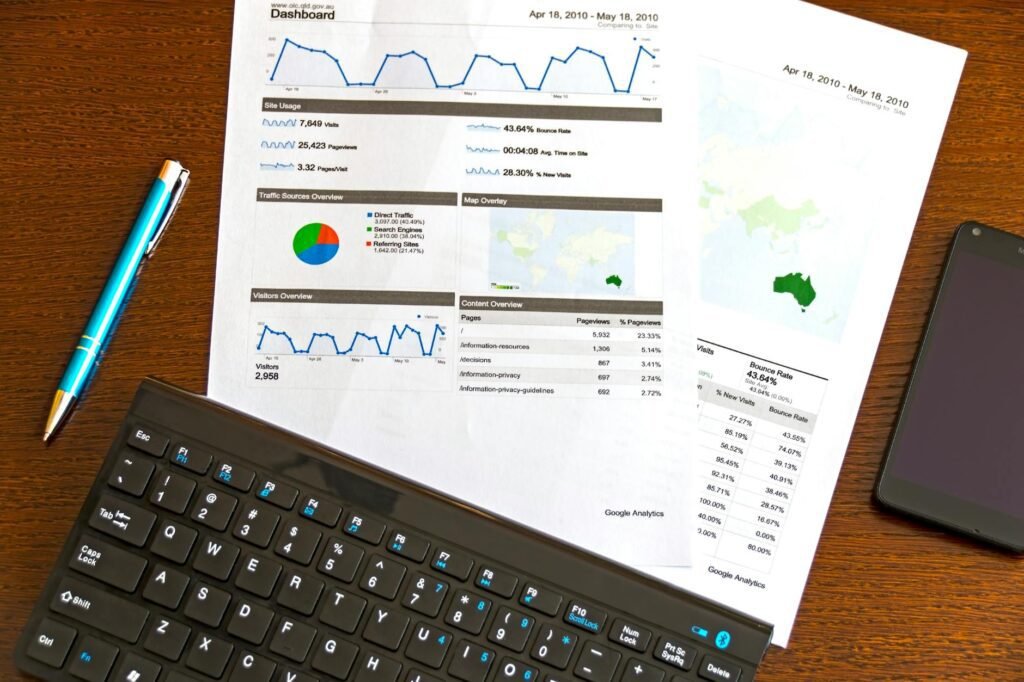
Financial data analytics has become a cornerstone for businesses seeking to harness the power of their financial information. It involves the systematic examination of financial data to discover patterns, trends, and insights that inform smarter decision-making. Understanding these insights helps organizations improve budgeting, forecasting, risk management, and performance evaluation. As markets grow more complex, the ability to analyze financial data effectively is essential not only for survival but also for competitive advantage.
Understanding financial data types
Financial data comes in various forms including income statements, balance sheets, cash flow reports, and transaction data. Each type provides a different perspective on an organization’s financial health. Recognizing the nuances and relevance of each helps analysts prioritize and interpret data accurately. For instance, income statements reveal profitability while cash flow reports show liquidity and operational efficiency.
Tools and techniques in data analytics
The rapid advancement of technology has brought powerful tools like machine learning, AI, and data visualization software into financial analytics. These tools streamline data processing, identify anomalies, and uncover hidden trends. Techniques such as regression analysis, clustering, and sentiment analysis allow deeper understanding beyond surface-level numbers, enabling predictive insights and scenario modeling.
Applications across industries
Financial data analytics is widely used across industries including banking, retail, healthcare, and manufacturing. For banks, it improves credit risk assessment; for retailers, it optimizes pricing strategies; healthcare benefits from cost management; and manufacturers enhance supply chain finance. Each sector adapts analytics to specific challenges, showcasing the versatility and critical importance of financial analytics.
Challenges and ethical considerations
Collecting and analyzing financial data presents challenges such as data quality, integration complexity, and regulatory compliance. Ethical considerations like data privacy and transparency must also be addressed to maintain trust. Organizations need robust frameworks and governance policies to ensure responsible use of financial data analytics, balancing innovation with security and legal requirements.
Future trends shaping financial analytics
The future of financial data analytics is driven by real-time data processing, increased automation, and integration of alternative data sources like social media and IoT devices. Cloud computing offers scalable infrastructure, while blockchain enhances data security and transparency. These advancements will make financial analytics more dynamic, accessible, and insightful for all stakeholders.
In conclusion, financial data analytics is an indispensable tool for modern organizations aiming to leverage information for strategic advantage. By understanding data types, employing the right tools, adapting to specific industry needs, and upholding ethical standards, businesses can unlock valuable insights that drive performance and growth. Embracing future trends will further empower organizations to navigate complexity and uncertainty with confidence.
| Financial Data Type | Primary Use | Key Benefit |
|---|---|---|
| Income Statement | Profitability analysis | Identifies revenue and expense patterns |
| Balance Sheet | Assessing financial position | Shows assets, liabilities, and equity |
| Cash Flow Statement | Liquidity management | Highlights cash inflows and outflows |
| Transaction Data | Operational insights | Tracks individual financial activities |