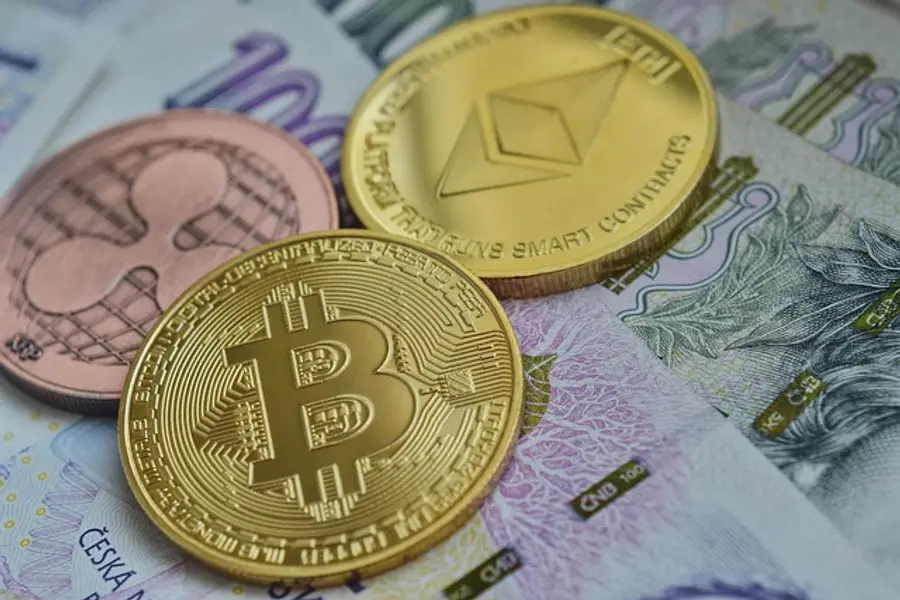
The Current State of XRP and the BlackRock Connection
XRP is currently trading at approximately $1.41, a figure that highlights a significant divergence from the broader cryptocurrency market's bullish trend. While many leading digital assets have approached or surpassed previous all-time highs, XRP remains down by more than 30% on a year-to-date basis, causing concern among retail holders.
The main point is that market analysts are now looking toward BlackRock as the potential catalyst for a price reversal. Rumors and expert theories regarding the world’s largest asset manager entering the XRP ecosystem have gained traction. Experts evaluate that any formal move by BlackRock would provide the institutional legitimacy XRP has lacked during its legal battles.
In simple terms, the current valuation of XRP may not reflect its underlying utility or future potential for institutional adoption. When an asset of this caliber trades significantly below its historical peaks while institutional interest grows, it often signals an "undervalued" status. This discrepancy is the primary driver behind recent bullish price predictions from market analysts.
"The convergence of regulatory clarity and institutional infrastructure represents a perfect storm for XRP, potentially ending its long period of horizontal trading."
What Happened to XRP’s Market Position?
According to data from CoinMarketCap, XRP has struggled to maintain momentum due to the lingering effects of the SEC vs. Ripple lawsuit. Although significant legal victories were achieved, the psychological impact of years of litigation has suppressed the price. This suppression has led to a 30% year-to-date decline while the rest of the market surged.
A major factor in this stagnation is the rotation of capital into Bitcoin and Ethereum ETFs. Institutional investors have prioritized assets with clear SEC-approved investment vehicles. However, the recent shift in the political and regulatory landscape in the United States suggests that XRP could be the next candidate for a dedicated exchange-traded fund (ETF) structure.
The answer is simple: XRP’s price action has been decoupled from its technical progress. Despite the price drop, the Ripple network continues to expand its cross-border payment partnerships globally. This fundamental growth, contrasted with a falling price, is exactly what financial experts define as a market inefficiency or a "undervalued" investment opportunity.
Why the BlackRock Factor Matters
BlackRock manages over $10 trillion in assets, making its influence on financial markets unparalleled. If the firm were to launch an XRP ETF or integrate the token into its digital asset strategy, it would provide a massive liquidity bridge. Such a move would effectively eliminate the "risk premium" currently associated with the XRP token.
The implication practical is that institutional entry creates a floor for asset prices. Large-scale buyers do not trade with the same volatility as retail participants; they provide stable, long-term capital. If BlackRock acknowledges XRP as a core institutional asset, it would likely trigger a supply shock on major exchanges, driving prices upward rapidly.
In summary technical, BlackRock’s potential involvement is seen as a "seal of approval." Many institutional investors wait for a lead from major players before allocating capital to specific altcoins. XRP, with its high liquidity and established use case in the banking sector, is the most logical next step for firms looking beyond Bitcoin and Ethereum.
Direct Impact on the Brazilian Market
For Brazilian investors, the movement of XRP is inextricably linked to the BRL/USD exchange rate and local interest rates (Selic). Because XRP is priced in dollars globally, any significant price appreciation acts as a double-edged sword. A rising XRP price combined with a strong dollar can lead to exponential returns for local portfolios.
The response short is that Brazil is one of the most advanced markets for crypto regulation. The Central Bank of Brazil (BCB) has been proactive in creating a framework for digital assets. If XRP gains institutional favor in the U.S., Brazilian brokerages and banks are already positioned to offer these assets to their local clients quickly.
Furthermore, inflation in Brazil often drives retail investors toward digital assets as a hedge. While Bitcoin remains the primary choice, XRP’s lower unit price and high utility make it an attractive alternative for the "person-to-person" payment market in Brazil. Local exchanges like Mercado Bitcoin have reported consistent volume in XRP despite its recent price volatility.
What Experts Say About XRP’s Recovery
Financial analysts from leading institutions suggest that the current $1.41 level is a critical psychological support zone. According to reports from major brokerages, XRP is showing signs of a "spring" formation, where the price is tightly coiled before a potential breakout. This technical setup often precedes a major trend reversal when coupled with positive news.
Especialistas avaliam que the legal clarity provided by the SEC's recent setbacks is the most significant fundamental driver since XRP's inception. Analysts believe that the market has not yet fully "priced in" the reality that XRP is one of the few digital assets with a clear legal status in the United States, providing a massive competitive advantage.
"We are seeing a massive transfer of XRP from exchanges to private wallets, suggesting that 'smart money' is accumulating the asset while retail remains fearful of the 30% YTD decline."
What to Expect: Risks and Opportunities
The immediate future for XRP depends on whether the rumored BlackRock interest translates into a tangible filing or product. Investors should watch for announcements regarding XRP ETFs, as these are the primary catalysts for the "undervalued" thesis to resolve. However, the path to recovery is rarely a straight line in crypto markets.
The main point is to balance optimism with a clear understanding of market risks. While the institutional narrative is strong, macro factors such as Federal Reserve interest rate decisions and global geopolitical tensions can still suppress risk-on assets. Investors must monitor both the XRP-specific news and the broader financial environment.
Key factors for XRP investors to monitor:
- SEC Appeals: Any finality in the legal battle will remove the last remaining "uncertainty discount" on the price.
- Institutional Filings: Keep a close eye on the SEC’s Edgar database for any ETF filings from BlackRock or Fidelity.
- Global Adoption: The expansion of Ripple’s Liquidity Hub in markets like Brazil and the Middle East.
- BRL Volatility: Brazilian investors must track the Selic rate, as higher local rates may decrease the appetite for volatile assets.
In summary, while XRP has faced a difficult year with a 30% decline, the underlying fundamentals suggest a market dislocation. The potential for BlackRock to enter the picture acts as a significant catalyst that could redefine XRP’s valuation for the next market cycle. For the average investor, this period represents a time of high risk but also high potential reward.