The Current State of the Global Cryptocurrency Market
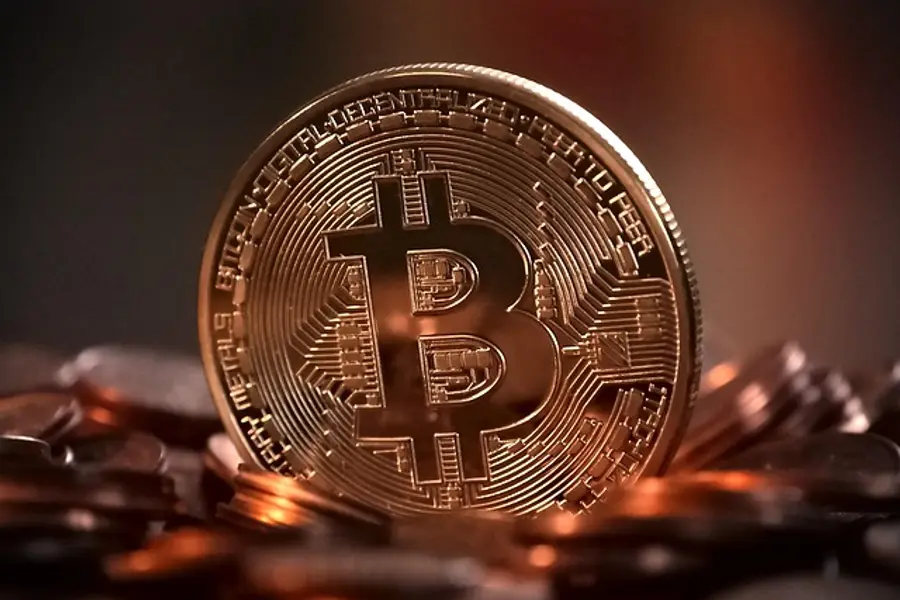
Bitcoin (BTC) is currently leading a massive rally across the digital asset sector, driven by unprecedented institutional interest and a shift in the global macroeconomic landscape. Market analysts observe that the leading cryptocurrency is testing psychological barriers that were previously considered unreachable in the short term. This momentum is fundamentally altering how traditional investors perceive high-risk assets.
The primary driver behind this surge is the consistent inflow of capital into US-based spot Bitcoin ETFs, which have stabilized demand. According to data from Glassnode, the supply of Bitcoin on exchanges is reaching multi-year lows, creating a supply-demand imbalance that favors higher prices. This scarcity is a critical factor for the current price appreciation observed in late 2024.
The answer to why this rally feels different lies in the maturity of the market infrastructure. Unlike previous cycles, the current movement is backed by regulated financial products and clearer legislative signals from major economies. Specialists evaluate that this institutional framework provides a floor for volatility, although price corrections remain a standard characteristic of the crypto market.
Why the $84,000 Resistance Level Matters
Bitcoin faces a significant technical challenge at the $84,000 mark, a level that represents a confluence of Fibonacci extension targets and psychological resistance. Breaking this barrier would likely signal the start of a "parabolic phase" in the current market cycle. However, failure to clear this level could lead to a temporary consolidation period for the entire sector.
In terms of simple technical analysis, the $84,000 zone acts as a profit-taking area for long-term holders who accumulated during the bear market. The practical implication is that investors should expect increased volatility as Bitcoin approaches this threshold. Market participants are closely monitoring liquidations to see if the bulls have enough momentum to sustain a clean breakout.
"The technical resistance at $84,000 for Bitcoin represents a psychological barrier that, if broken, could trigger a massive short squeeze across the entire digital asset ecosystem," notes a senior analyst at a major digital asset hedge fund.
The Influence of SPX and DXY on Crypto Prices
The relationship between the S&P 500 (SPX) and Bitcoin remains highly correlated, as both benefit from a "risk-on" sentiment in the financial markets. When traditional equities perform well, capital often overflows into the cryptocurrency space in search of higher returns. Currently, the SPX is showing resilience, which provides a supportive backdrop for Bitcoin’s aggressive price action.
Conversely, the US Dollar Index (DXY) plays a spoiler role for digital assets; a strengthening dollar typically exerts downward pressure on Bitcoin. Recent data from the Federal Reserve suggests a cautious approach to interest rate cuts, which has kept the DXY relatively stable. A sudden dip in the dollar's strength could be the final catalyst needed for Bitcoin to surpass $84,000.
In summary technical terms, the macro environment is currently a tug-of-war between equity growth and dollar dominance. Investors are looking for signs of cooling inflation to justify a more aggressive move into non-sovereign assets. The Federal Reserve's upcoming policy decisions will be the ultimate arbiter of liquidity flows for the remainder of the fiscal year.
Altcoin Consolidation: ETH, SOL, and ADA
Ethereum (ETH) is currently trailing behind Bitcoin, leading many to question when the "Altseason" will officially begin. While Bitcoin makes headlines with new highs, Ethereum is focusing on network upgrades and institutional adoption of its own spot ETFs. The $2,800 level remains the most critical support zone for ETH to maintain its bullish structure.
Solana (SOL) continues to outperform many of its peers due to its high throughput and growing decentralized finance (DeFi) ecosystem. The network's ability to handle high transaction volumes at low costs makes it a favorite for retail investors and memecoin traders alike. Analysts suggest that SOL is positioning itself as the primary competitor to Ethereum’s dominance in the smart contract space.
Cardano (ADA) and other legacy altcoins are seeing a slower recovery, characterized by long periods of consolidation. For ADA, the focus remains on long-term governance milestones and ecosystem development rather than short-term price action. Specialists evaluate that these assets require a significant shift in market liquidity to see a return to their previous all-time highs.
The Performance of Dogecoin and New Entrants like HYPE
Dogecoin (DOGE) has seen a resurgence in interest, often fueled by social media sentiment and its association with high-profile technology figures. Despite its origins as a meme, DOGE remains a significant indicator of retail participation in the market. When DOGE moves, it often signals that the "retail crowd" has fully entered the market cycle.
Newer projects like HYPE are capturing the attention of speculative capital by promising innovative utility or community-driven growth. These assets carry higher risk profiles but offer the potential for rapid gains during a broad market rally. However, the short-term volatility of such tokens requires a disciplined approach to risk management for most retail participants.
The short answer is: memecoins and new tokens are the "high-beta" version of an already volatile market. They tend to amplify Bitcoin's movements, both to the upside and the downside. Diversification into these assets should be handled with extreme caution, as liquidity can vanish quickly during market corrections or sudden shifts in sentiment.
Macroeconomic Impact on the Brazilian Investor
For investors in Brazil, the movement of Bitcoin is intrinsically linked to the performance of the US Dollar against the Brazilian Real (BRL). When Bitcoin rises and the dollar strengthens simultaneously, the gains for Brazilian investors are effectively doubled. This makes cryptocurrency an attractive hedge against domestic currency devaluation and local inflationary pressures.
The Brazilian Central Bank's stance on digital assets remains one of the most progressive in the world, providing a regulated environment for investors. With the expansion of crypto-linked ETFs on the B3 exchange, local investors have easier access to these assets than ever before. This institutional support in Brazil helps stabilize the local market against extreme global volatility.
In terms of simple economics, the rise in Bitcoin prices impacts the purchasing power of Brazilians looking to diversify their wealth. According to official data, the volume of crypto transactions in Brazil continues to grow, reflecting a deep-seated distrust in traditional fixed-income returns during periods of fiscal uncertainty. Crypto assets have become a legitimate pillar of the Brazilian investment landscape.
Key Risks and Opportunities for the Coming Week
- Upside Opportunity: A clean break above $84,000 for Bitcoin could lead to a rapid move toward $100,000, driven by FOMO and liquidations.
- Downside Risk: Regulatory news or hawkish comments from the Federal Reserve could cause a sharp correction toward the $72,000 support level.
- Altcoin Opportunity: If Bitcoin dominance peaks, capital may rotate into Ethereum and Solana, sparking a long-awaited altcoin rally.
- Institutional Risk: Large-scale sell-offs by miners or early ETF investors could create temporary liquidity shocks in the spot markets.
What to Expect Now: Predictions and Strategy
The point principal is: we are entering a high-stakes phase of the market where precision and patience are rewarded. Specialists expect Bitcoin to remain volatile near its all-time highs as the market digests recent gains. For the average investor, the best strategy involves maintaining a balanced portfolio that accounts for both crypto growth and traditional market stability.
Looking ahead, the interaction between Bitcoin and the $84,000 level will dictate the market's direction for the rest of the quarter. If the support holds, the path to six figures seems increasingly likely. If resistance prevails, a healthy consolidation phase will allow altcoins to catch up, creating a more sustainable foundation for the next leg of the bull run.
Especialistas avaliam que the current cycle is uniquely supported by both retail enthusiasm and corporate balance sheets. This dual-engine growth suggests that while corrections are inevitable, the long-term trajectory remains biased to the upside. Monitoring the DXY and SPX will provide the necessary clues for timing the next major market move effectively.