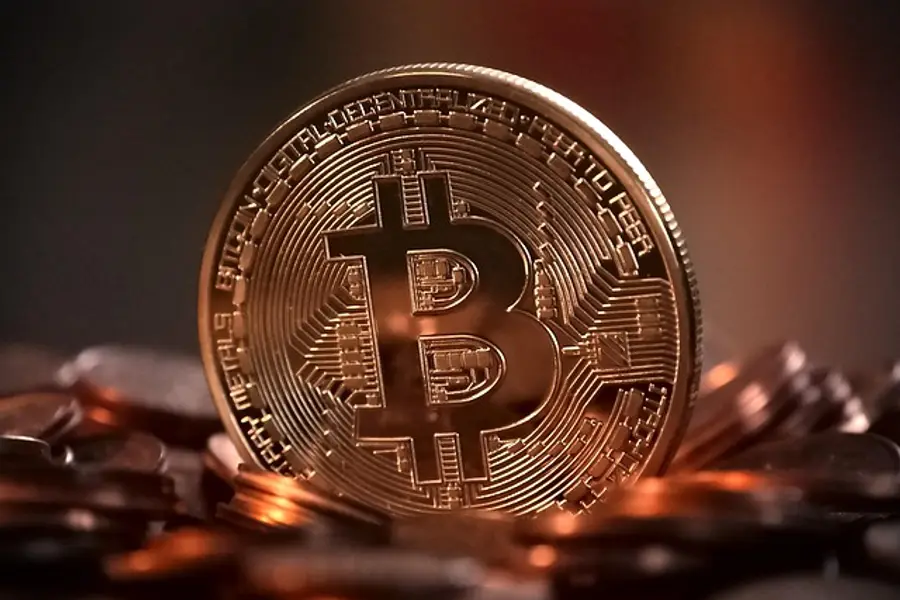
What Happened in the Global Markets
Bitcoin price trends are drawing intense scrutiny as the S&P 500 index surges to an unprecedented record high of 7,534 points. This equities rally coincides with a dramatic collapse in crude oil prices, triggered by easing Middle East tensions. For global and Brazilian investors, this macro shift signals a profound transformation in liquidity.
The sharp decline in energy costs has immediately fueled optimism about cooling inflation, boosting expectations of aggressive rate cuts by the Federal Reserve. Consequently, capital is rotating out of defensive commodities and flooding into risk-on assets, creating a pivotal moment for the cryptocurrency market. Understanding this capital flow is essential for navigating modern investment portfolios.
Em termos simples: as traditional stock markets breach all-time highs, the digital asset class faces a critical test of its historical correlation with equities. Brazilian investors, heavily affected by domestic interest rates and dollar fluctuations, must closely monitor whether cryptocurrency can capitalize on this massive wave of global liquidity.
According to official data from global energy exchanges, crude oil prices plummeted by over six percent in a single trading session. This sudden sell-off occurred after diplomatic efforts suggested a potential de-escalation of conflicts in the Middle East, reducing risk premiums on energy. Investors quickly reallocated capital away from oil contracts.
Simultaneously, the benchmark S&P 500 index breached its previous ceiling to establish a historic high of 7,534 points. The drop in energy costs relieved pressure on corporate profit margins, driving a broad-based equity market rally led by technology and consumer discretionary stocks. This divergence created a highly favorable environment for risk assets.
A resposta curta é: lower energy costs act as a massive tax cut for both consumers and corporations worldwide. With inflation pressures suddenly diminishing, central banks find themselves with more room to ease monetary policies, which historically drives capital into speculative assets like Bitcoin and alternative cryptocurrencies.
Why the S&P 500 Record and Oil Slump Matter
O ponto principal é: Bitcoin has historically shown a strong positive correlation with the S&P 500 during periods of monetary expansion. When traditional stock indices reach new highs, it typically indicates robust institutional liquidity and high risk tolerance among fund managers. This environment is highly conducive to cryptocurrency bull runs.
However, digital assets have recently traded within a tight consolidation range, lagging behind the spectacular gains seen in equities. This temporary decoupling puzzles analysts, as capital flows have heavily favored exchange-traded funds (ETFs) over direct spot purchases. The current stock market breakout could serve as the catalyst to bridge this performance gap.
In technical summary: the de-escalation of global conflict reduces the demand for traditional safe-haven assets like gold and oil. As capital leaves these defensive sectors, it naturally seeks higher-yielding opportunities, positioning highly liquid cryptocurrencies as prime beneficiaries of this global structural shift in asset allocation.
The Economic Consequences for Brazil
A implicação prática é: the plunge in international oil prices directly benefits Brazil's domestic inflation outlook. Lower global crude prices pressure Petrobras to reduce domestic fuel costs, which subsequently lowers the Broad Consumer Price Index (IPCA) monitored by the Banco Central do Brasil. This relief could influence local interest rate decisions.
Furthermore, a stronger risk-on environment globally tends to weaken the US Dollar against emerging market currencies, including the Brazilian Real. A depreciating dollar reduces import costs for Brazilian companies, boosting profitability on the B3 stock exchange. Brazilian retail investors may experience a dual benefit of rising local equities and stabilizing currency values.
For crypto investors in Brazil, a weaker US Dollar might slightly lower the local price of Bitcoin in Reais, even as the asset rises in dollar terms. Nonetheless, increased liquidity on global exchanges like Binance and Coinbase typically translates into higher trading volumes and strong bullish momentum within the domestic Brazilian crypto ecosystem.
Expert Insights on Market Dynamics
Especialistas avaliam que: the current market structure presents a unique window of opportunity for digital assets to catch up with traditional equities. Analysts from Glassnode and CoinMarketCap observe that institutional accumulation of Bitcoin remains high, suggesting that a major volatility breakout is imminent as stock market capital spills over.
Reports from major Wall Street investment banks suggest that if inflation indicators continue to soften alongside falling oil prices, the Federal Reserve will likely accelerate interest rate cuts, providing a powerful tailwind for high-beta risk assets like Bitcoin throughout the final quarter of the fiscal year.
Segundo dados oficiais: Bitcoin's correlation coefficient with the S&P 500 has recently hovered near multi-month lows. Experts evaluate that this divergence is temporary, as institutional liquidity from spot ETFs inevitably aligns the pricing mechanisms of both asset classes during major macroeconomic expansions.
What to Expect Now: Risks and Opportunities
As markets adjust to cheaper energy and record-breaking stock indices, investors must balance potential gains against lingering macroeconomic risks. The path forward will be heavily influenced by upcoming central bank decisions and corporate earnings reports. Diversifying portfolios across traditional and digital assets remains a prudent strategy for long-term growth.
To help investors navigate this complex macroeconomic transition, our editorial team has compiled the primary market scenarios below. These factors outline the key risks and opportunities that will shape the financial landscape for both traditional and digital asset classes in the coming months.
- Accelerated Crypto Adoption: Institutional capital transitioning from energy commodities could flood into spot Bitcoin ETFs, driving crypto prices to mirror the S&P 500's historic performance.
- Persistent Local Interest Rates: Despite global easing, Brazil's central bank may keep interest rates high to combat fiscal concerns, partially offsetting the domestic benefits of lower oil prices.
- Geopolitical Rebound Risks: Any sudden breakdown in Middle East diplomatic talks could instantly reverse the oil price drop, reigniting inflation fears and sparking a sell-off in risk-on equities.
Em resumo técnico: the simultaneous plunge of oil prices and the ascent of the S&P 500 to 7,534 points create a highly favorable macroeconomic backdrop. While Bitcoin has lagged behind equities, historical trends suggest that sustained global liquidity and easing inflation will eventually propel cryptocurrencies to follow the stock market's record-breaking trajectory.