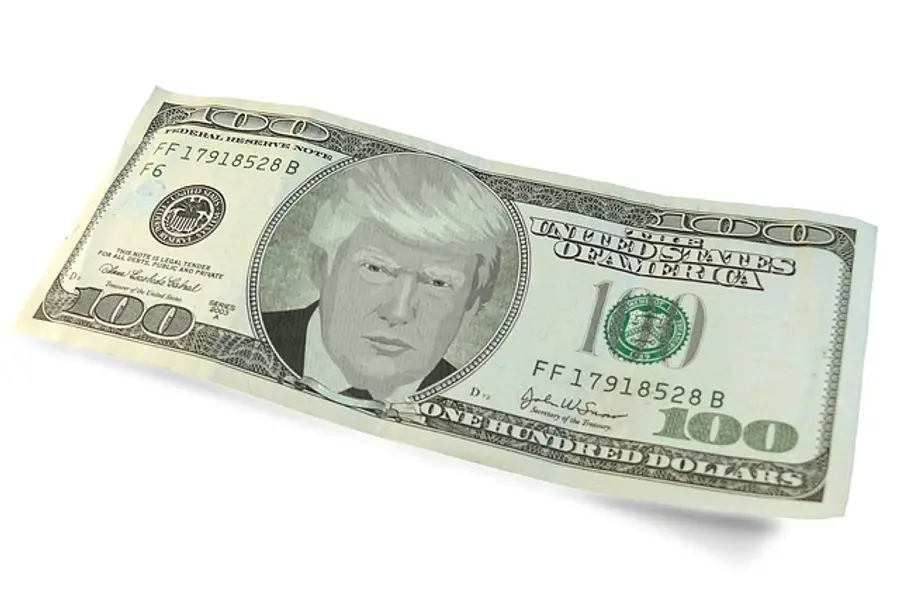
Trump’s 3,711 trades detailed in his latest financial disclosure reveal an incredibly massive and highly active stock market portfolio. According to official data filed with federal regulators, these transactions span across multiple sectors of the United States economy. This unprecedented volume of financial activity raises significant questions about ethical boundaries and potential policy-driven market movements.
The practical implication is that a former president and current candidate trading heavily in sensitive sectors can heavily sway investor sentiment. Global markets, including Latin American emerging economies, closely monitor these disclosures to anticipate potential shifts in trade tariffs, regulatory rollbacks, and fiscal policies. Brazilian retail investors are particularly vulnerable to these foreign capital fluctuations.
In simple terms, when a highly influential political figure engages in thousands of public equity trades, it creates a unique market signal. Many of these transactions involve major American corporations whose corporate valuations directly depend on federal regulatory approvals, government contracts, and tax policies. This situation blurs the lines between political influence and private investment.
What Happened: The Scale of Trump's Portfolio Disclosure
According to official data released in the latest federal financial disclosure, Donald Trump executed exactly 3,711 stock transactions. This immense trading volume represents a highly diversified approach, targeting prominent companies across technology, energy, healthcare, and industrial sectors. The sheer scale of these operations has attracted intense scrutiny from the Securities and Exchange Commission (SEC).
Bloomberg News reports that the majority of these trades involved public equities highly sensitive to government policy decisions. For example, investments in domestic energy firms and defense contractors can experience sudden price spikes based on political rhetoric. Analysts note that this level of trading activity is exceptionally rare for any high-profile political figure.
The short answer is that these disclosures highlight a complex, multi-layered financial strategy designed to maximize capital gains. Rather than holding passive index funds, the portfolio reflects active trading, shifting assets rapidly to capitalize on short-term market inefficiencies. This aggressive positioning has forced financial regulators to re-evaluate disclosure laws for political candidates.
Why This Matters: Ethics and Market Policy
The main point is that active trading by political leaders introduces massive conflicts of interest into the financial system. When a policymaker trades shares in companies directly affected by government decisions, it undermines public trust in market neutrality. This phenomenon can distort natural price discovery mechanisms across major global stock exchanges.
Historically, the Stock Act of 2012 was designed to prevent insider trading among members of the United States Congress and executive officials. However, the enforcement of these rules remains notoriously weak, and penalties for non-compliance are often negligible. This disclosure highlights systemic loopholes that allow political figures to trade ahead of major regulatory announcements.
In technical summary, the intersection of political power and active equity trading creates a high-risk environment for average retail investors. Professional hedge funds and institutional traders often track these political disclosures to copy-trade, driving up asset prices artificially. Consequently, individual investors without access to real-time political data face a significant disadvantage in the market.
Impact on Brazil: Dollar, Interest Rates, and Ibovespa
For the Brazilian financial market, these massive US equity shifts have direct consequences on the US Dollar to Brazilian Real exchange rate. As foreign capital rotates in response to political shifts in Washington, emerging market currencies experience heightened volatility. The Brazilian Central Bank must constantly adjust its monetary interventions to stabilize the local currency against these external shocks.
Furthermore, fluctuations in US stock markets directly influence the Ibovespa index and domestic interest rates, known as the Selic rate. If aggressive US trade policies trigger global inflation, the Federal Reserve may keep interest rates elevated, forcing Brazil to maintain high interest rates. This dynamic restricts local economic growth and impacts domestic corporate earnings.
Brazilian retail investors and cryptocurrency traders are also impacted by these large-scale global capital movements. As US policy shifts influence regulatory frameworks for digital assets, cryptocurrency markets in Brazil experience rapid price adjustments. When major political figures signal support for specific financial sectors, local investors must quickly adjust their risk exposure.
What Experts Say: Multiple Active Trading Strategies
Experts evaluate that the high volume of transactions points to the usage of advanced, algorithmic trading systems. Rather than manual decision-making, these 3,711 trades suggest a coordinated effort by institutional wealth managers to hedge against global inflation. This approach allows the portfolio to remain highly liquid while minimizing exposure to sudden macroeconomic shocks.
"The scale of these trades suggests a sophisticated algorithmic overlay designed to exploit policy-driven volatility across multiple US business sectors." — Bloomberg US Equities Analysis
According to reports from financial institutions like the International Monetary Fund (IMF), policy uncertainty remains a primary driver of market volatility. When prominent political leaders trade actively, it signals to institutional investors that policy shifts may be imminent. This creates a feedback loop where political actions and financial market reactions become deeply intertwined.
What to Expect Now: Regulation and Market Volatility
Moving forward, the financial community expects heightened debate surrounding the regulation of assets held by presidential candidates. Advocacy groups are pushing the Securities and Exchange Commission (SEC) to enforce stricter blind trust requirements for high-ranking officials. However, legislative reform face significant hurdles in a deeply divided United States Congress.
For global investors, the primary strategy should focus on risk diversification and reducing exposure to highly politicized industries. Sectors like fossil fuels, defense, and multinational technology will likely experience the highest price fluctuations in the coming months. Monitoring policy announcements will be crucial for protecting investment portfolios from unexpected regulatory adjustments.
To navigate this complex financial landscape, investors should carefully evaluate the following market scenarios and risks:
- Regulatory Risks: Sudden changes in antitrust laws and corporate tax rates can disrupt stock valuations overnight.
- Market Opportunities: Strategic rotation into defensive sectors like consumer staples and utilities can protect capital from political volatility.
- Emerging Market Capital Flight: Increased economic nationalism in the United States may trigger capital flight from developing markets like Brazil.
In conclusion, Donald Trump's extensive financial disclosure highlights the growing intersection of political power and global financial markets. As these 3,711 transactions demonstrate, active portfolio management remains a powerful tool for navigating macroeconomic shifts. Investors must remain vigilant, analyzing both political developments and economic fundamentals to safeguard their assets.