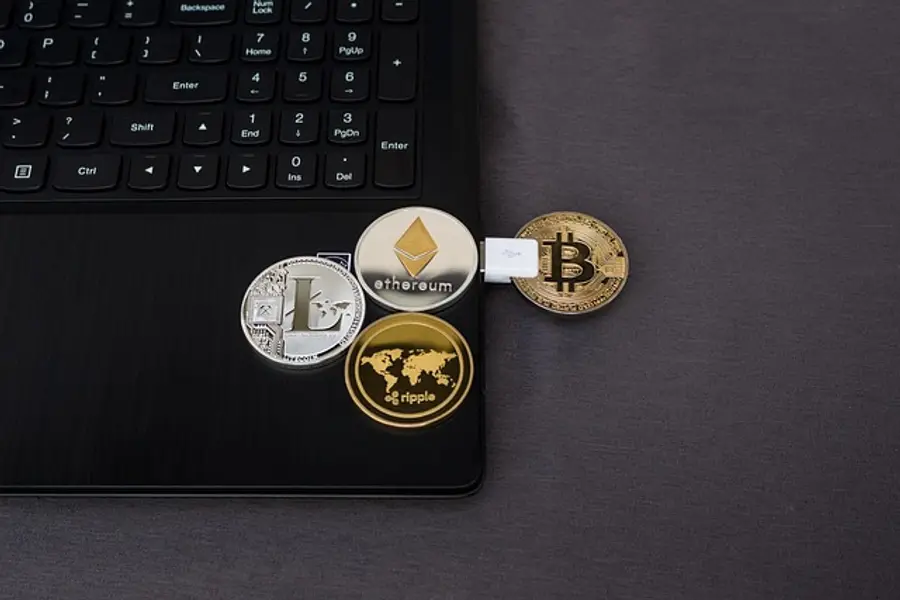
Ripple XRP Security: David Schwartz Issues Critical AI Alert
Ripple Chief Technology Officer David Schwartz has officially alerted the cryptocurrency community about a new wave of sophisticated phishing. Scammers are now utilizing advanced artificial intelligence to clone executive personas, specifically targeting XRP holders. This warning highlights a shift from traditional fraud toward highly convincing digital impersonations that threaten the security of decentralized assets globally.
The primary mechanism of this scam involves "deepfake" technology to recreate the likeness and voice of Ripple's top leadership. These AI-generated clones often appear in fraudulent social media advertisements or live-streamed videos promising fake XRP rewards. Consequently, unsuspecting investors are tricked into connecting their private wallets to malicious software designed to drain all stored cryptocurrency.
In terms of simple definitions, this "AI-cloned executive" scheme is a form of social engineering that exploits human trust through visual deception. The point principal is that technology has reached a level where a video of a CEO can be entirely fabricated. This evolution necessitates a complete shift in how crypto participants verify the authenticity of official announcements.
"The threat of AI-driven impersonation is no longer theoretical; it is a direct risk to every investor's digital capital," specialists evaluate regarding the latest Ripple security breach warnings.
1. The Mechanics of AI-Driven Executive Impersonation
Artificial intelligence has democratized the creation of high-fidelity video and audio content, which cybercriminals are now weaponizing. By feeding real interviews of David Schwartz or Brad Garlinghouse into generative models, scammers create "puppets" that speak and move realistically. These clones are then used to promote fraudulent schemes that appear surprisingly legitimate to the untrained eye.
A common strategy observed by security researchers involves the "emergency" narrative, where the cloned executive claims a system update requires immediate action. The implication practical is that victims act under pressure, bypassing their usual security protocols to protect their funds. This psychological manipulation, combined with AI realism, represents a significant escalation in the ongoing battle against digital asset theft.
The answer short is that no legitimate executive from Ripple will ever ask for a user's private keys or seed phrases. Any video or audio recording requesting such information is a definitive sign of a phishing attempt. David Schwartz emphasized that Ripple does not conduct "giveaways" that require users to send funds or disclose sensitive security credentials first.
2. Global Market Implications and Investor Trust
The rise of AI-cloned executives has broader implications for the global financial markets and the adoption of blockchain technology. When trust in the visual identity of industry leaders is compromised, the volatility of the underlying assets can increase due to misinformation. Institutional investors, who prioritize security and regulatory compliance, may become more cautious about expanding their crypto portfolios.
According to data from the FBI’s Internet Crime Complaint Center (IC3), investment fraud involving cryptocurrencies reached record highs in the past year. The introduction of AI deepfakes is expected to exacerbate these figures by lowering the technical barrier for sophisticated scams. This trend forces a re-evaluation of digital custody solutions and the necessity of multi-factor authentication (MFA).
Specialists evaluate that the reputation of major projects like Ripple can be unfairly tarnished by these external criminal activities. While the XRP Ledger remains technically secure, the social layer remains a persistent vulnerability. Industry-wide cooperation between technology firms and law enforcement is now required to track and dismantle the infrastructure used to host these deepfake videos.
3. Impact on the Brazilian Crypto Landscape
Brazil currently represents one of the largest retail markets for XRP and other major altcoins in Latin America. According to data from the Central Bank of Brazil, digital asset transactions continue to grow despite international market volatility. This makes the Brazilian public a lucrative target for international cybercriminals using AI-cloned Ripple executives to bypass traditional linguistic barriers.
The impact in Brazil is particularly felt by new investors who may lack deep technical knowledge of self-custody. In summary technical: as the Brazilian Real (BRL) fluctuates against the US Dollar, many citizens turn to XRP as a store of value or a medium for cross-border payments. A localized deepfake campaign could cause significant financial distress for thousands of Brazilian households.
Furthermore, the Brazilian Securities and Exchange Commission (CVM) has been closely monitoring the digital asset space to protect domestic consumers. The rise of AI scams may lead to stricter local regulations regarding how international crypto companies must verify their official communications in Portuguese. This adds a layer of complexity for firms operating within the Brazilian legal framework.
- Risks to Brazilians: High exposure due to widespread smartphone usage and rapid crypto adoption.
- Impact on BRL: Potential for capital flight as victims lose unrecoverable funds to overseas criminal networks.
- Regulatory response: Likely increase in CVM educational campaigns focusing on deepfake awareness and digital safety.
4. What Security Experts and Data Reveal
Experts evaluate that the "trust gap" created by AI deepfakes requires a new educational framework for all retail participants. According to reports from Chainalysis, illicit activity is becoming increasingly specialized, with criminals investing heavily in "social engineering 2.0." The human interface is often the weakest link in an otherwise secure blockchain ecosystem.
Data from Glassnode indicates that while on-chain metrics for XRP remain stable, the sentiment in social channels is often manipulated by botnets. These bots distribute deepfake links to create a sense of false urgency and community consensus. This coordinated effort makes it difficult for individual investors to distinguish between a viral community event and a professional scam.
"The convergence of generative AI and financial fraud is the most significant cybersecurity challenge of 2024," according to recent reports from global security analysts.
In resumo técnico, the solution lies in "Zero Trust" architectures where every communication is verified through multiple independent sources. Relying on a single video, no matter how convincing, is no longer a viable security strategy. Experts suggest using hardware wallets and avoiding any "giveaway" promotions found on social media platforms like X (formerly Twitter) or YouTube.
5. Future Outlook: Protecting Your XRP Assets
What to expect now is a continuous "arms race" between AI-driven scammers and cybersecurity defense systems. We can anticipate that major exchanges like Mercado Bitcoin and Binance will implement more robust AI-detection tools to protect their users. However, the final line of defense will always be the individual investor's level of caution and skepticism.
The implication practical is that digital literacy must now include a basic understanding of how AI can be used to deceive. Investors should look for official "blue check" verifications, but remain aware that even these can be compromised or spoofed. Always cross-reference major announcements with Ripple’s official website and verified corporate press releases before taking action.
In summary, while the XRP Ledger offers high-speed and secure transactions, the external environment is increasingly hostile. By following the warnings issued by David Schwartz and maintaining strict security protocols, investors can navigate the complexities of the AI era. Security is a continuous process of education, verification, and the use of trusted technological tools.