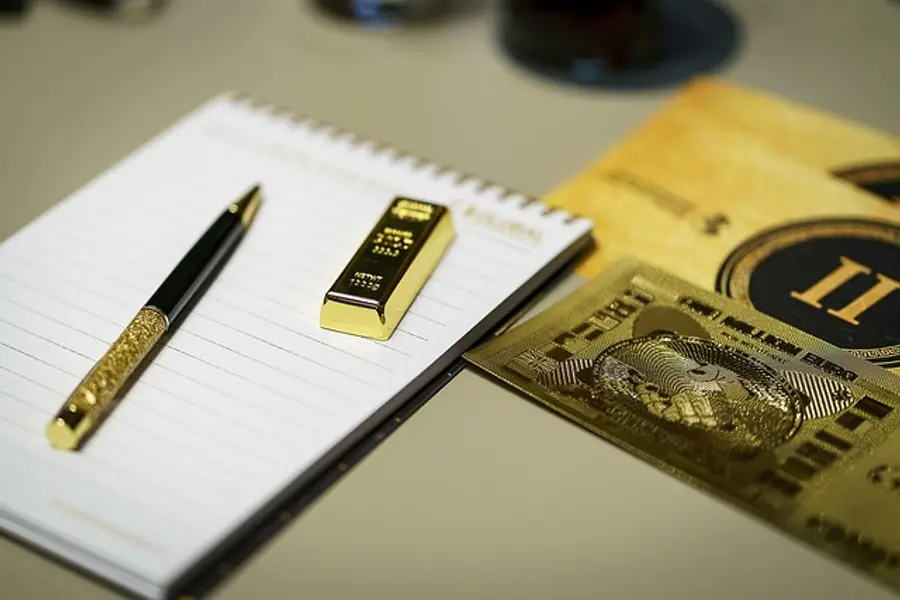
Gold prices rise as geopolitical risks escalate globally
Gold prices surged during recent trading sessions after President Donald Trump declared that the US-Iran ceasefire is currently on "massive life support." This statement followed the formal rejection of Tehran’s latest peace proposal by the United States administration. Consequently, market participants shifted their focus toward safe-haven assets to hedge against the possibility of renewed military escalation in the Middle East.
The short answer is that gold remains the primary beneficiary of diplomatic deadlocks involving global powers. When negotiations between the US and Iran stalled, the "geopolitical risk premium" immediately reflected in bullion prices. Investors traditionally view precious metals as a store of value during times of war or significant international political instability, leading to increased buying pressure.
In terms of market mechanics, the spot price of gold reacted sharply to the news from Bloomberg Markets. Traders are currently assessing the likelihood of a total collapse in diplomatic relations, which could disrupt regional trade and energy supplies. Gold serves as a hedge against the volatility that typically follows such high-stakes international friction, especially when involving major oil-producing nations like Iran.
What happened in the US-Iran diplomatic landscape
The latest deadlock emerged after President Trump rejected a comprehensive peace offer submitted by Iranian officials. According to official reports, the US administration deemed the terms insufficient to guarantee long-term regional stability or address nuclear concerns. This rejection led to the "massive life support" comment, signaling that a formal breakdown of the ceasefire may be imminent.
Historically, gold prices react intensely to rhetoric coming from the White House regarding Middle Eastern policy. The rejection of the peace offer surprised some market participants who were hoping for a de-escalation of sanctions. Instead, the focus has returned to the possibility of further economic pressure or military posturing, both of which are catalysts for gold appreciation.
Especialists evaluate that the deadlock is not merely a delay but a significant shift in the risk landscape. In simple terms, the "status quo" of a fragile peace has been replaced by an active search for safety by institutional investors. This shift is evident in the increased volume of gold futures contracts and the rising demand for physically-backed gold exchange-traded funds.
Why the US-Iran deadlock matters for global investors
The point principal is that geopolitical instability often leads to higher energy prices, which in turn fuels global inflation. Since gold is a classic inflation hedge, any event that threatens to push oil prices higher indirectly supports higher gold valuations. The US-Iran conflict is particularly sensitive because of its potential impact on the Strait of Hormuz, a critical maritime oil passage.
A second factor is the impact of uncertainty on central bank policies worldwide. If a conflict erupts, the Federal Reserve might face a dilemma between fighting inflation caused by high energy prices and supporting economic growth. Gold thrives in environments where central bank future actions are uncertain, as it does not rely on government backing or interest rate yields.
"The current deadlock between Washington and Tehran adds a layer of complexity to an already volatile macro environment. We expect gold to maintain a strong bullish bias as long as the ceasefire remains under threat," stated a senior analyst in a recent market report.
Impact on Brazil: Dollar, inflation, and local investments
For Brazilian investors, the rise in gold prices is almost always accompanied by a stronger US Dollar. In moments of global stress, capital tends to leave emerging markets like Brazil and return to the safety of the greenback. This "flight to quality" often causes the USD/BRL exchange rate to rise, increasing the cost of imported goods for Brazilian consumers.
The practical implication is a potential increase in local inflation within Brazil. If the US-Iran deadlock leads to higher international oil prices, Petrobras may be forced to adjust domestic fuel prices. Higher fuel costs have a cascading effect on the Brazilian economy, affecting transport, food prices, and eventually the IPCA inflation index monitored by the Central Bank of Brazil.
Furthermore, the Ibovespa often faces downward pressure when geopolitical risks rise. Investors in the Brazilian stock exchange typically reduce exposure to riskier assets, selling shares in local companies to buy more stable alternatives. However, Brazilian mining companies like Vale or specific gold-linked funds may see localized gains as the underlying commodity price increases on the global stage.
In summary technical, the Brazilian investor sees a double impact: the international price of gold rises, and the currency through which it is priced (the Dollar) also appreciates. This creates a significant "cushion" for those who hold gold-denominated assets in Brazil, as they benefit from both the commodity's gain and the currency's movement against the Real.
What experts say about the gold price outlook
Most analysts at major financial institutions, including Goldman Sachs and Citigroup, have recently raised their gold price targets. They cite central bank diversification and geopolitical risks as the primary drivers for 2024 and 2025. The deadlock in US-Iran talks acts as a "tail-risk" event that could push prices toward the $2,700 or $3,000 per ounce levels sooner than expected.
According to official data from the World Gold Council, central banks in emerging markets have been purchasing gold at record rates. These institutions are seeking to reduce their reliance on the US dollar as a reserve currency. The breakdown of diplomatic efforts between the US and Iran only reinforces the desire of these nations to hold "neutral" assets like gold.
"Gold is no longer just a commodity; it has returned to its role as a strategic geopolitical asset. The inability of major powers to maintain ceasefires is a structural signal that the global risk environment has changed permanently," according to a report by the Bank for International Settlements.
Risks and opportunities in the current scenario
Investors should carefully weigh the potential for volatility in the coming weeks. While the trend for gold appears bullish, sudden diplomatic breakthroughs could lead to rapid price corrections. Therefore, a diversified approach is essential for those looking to protect their portfolios against Middle Eastern instability and currency devaluation.
- Risk: A sudden de-escalation or surprise peace deal could cause a sharp drop in gold's risk premium.
- Opportunity: Using gold as a hedge against a rising US Dollar in the Brazilian market.
- Risk: High interest rates in the US could make non-yielding assets like gold less attractive if inflation stays controlled.
- Opportunity: Diversifying into gold-backed ETFs to gain exposure without the costs of physical storage.
What to expect next for the market
The next few days will be critical as traders wait for a formal response from Tehran regarding the rejected peace offer. If Iran escalates its rhetoric or takes action in the Strait of Hormuz, the gold market could see a "parabolic" move upward. Conversely, a return to the negotiating table would likely stabilize prices near current levels.
Especialistas evaluate that the Federal Reserve's upcoming meetings will also play a role. If the Fed sees geopolitical conflict as a threat to the US economy, it may pause its rate hikes, which is traditionally very bullish for gold. For now, the "massive life support" status of the US-Iran ceasefire remains the dominant headline driving sentiment across all major trading floors.
In conclusion, the intersection of failed diplomacy and economic uncertainty has created a perfect storm for precious metals. Brazilian investors must remain vigilant regarding the Dollar's movement and the potential for domestic inflation. Gold has once again proven its value as the "ultimate insurance policy" in a world where diplomatic solutions are increasingly hard to find.