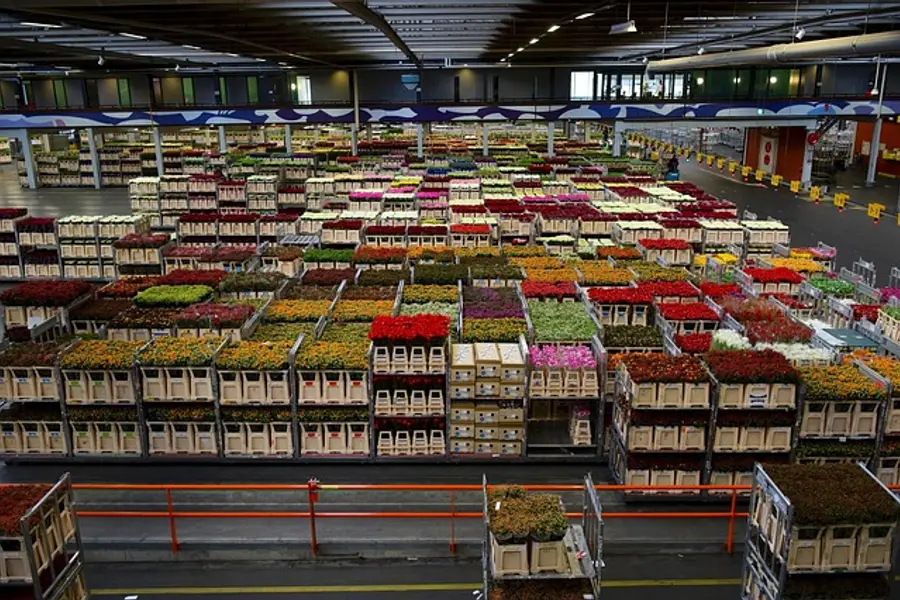
The Global Inventory Race: A New Paradigm for Supply Chains
The global inventory race refers to the aggressive accumulation of manufactured goods by corporations seeking to mitigate risks from potential energy supply disruptions. This strategy emerges as the conflict in the Middle East enters its third month, raising fears that energy corridors could be compromised by escalating tensions involving Iran. The shift marks a definitive move away from traditional lean manufacturing models toward more resilient, albeit more expensive, stockpiling tactics.
The main point is that businesses are no longer prioritizing efficiency through "just-in-time" delivery systems due to geopolitical volatility. Instead, they are adopting "just-in-case" strategies to ensure production continuity in the event of a significant energy crunch. This massive preemptive buying is expected to overshadow upcoming business surveys and purchasing managers' index (PMI) data, as the rush to secure goods distorts typical seasonal demand patterns.
In simple terms, the world is preparing for a scenario where energy becomes scarce or prohibitively expensive, making future production uncertain. According to Bloomberg Markets, this defensive maneuvering is a direct response to the shadow cast by potential disruptions in the Strait of Hormuz and other critical trade routes. For investors, this shift implies higher working capital requirements for companies and potential pressure on corporate profit margins globally.
What Triggered the Current Inventory Surge
The immediate catalyst for the current inventory surge is the persistent instability in the Middle East, specifically the risk of a wider conflict involving Iran. As the war enters its third month, manufacturing hubs in Europe and Asia are reporting increased lead times and rising freight costs. Consequently, procurement managers are placing larger orders today to avoid the risk of empty shelves or halted production lines tomorrow.
A recent report from the International Monetary Fund (IMF) suggests that geopolitical fragmentation is increasingly dictating global trade flows. When energy supplies are threatened, manufacturing costs inevitably rise, prompting a domino effect across the supply chain. Businesses are currently prioritizing the physical availability of goods over price optimization, a trend that could sustain elevated producer price indices (PPI) across major industrial economies in the coming months.
"The transition from efficiency-led supply chains to security-led ones is creating a permanent shift in how global inventories are managed and priced."
Economic Consequences and Global Market Reaction
The global inventory race is creating a complex environment for central banks, including the Federal Reserve and the European Central Bank. While stockpiling can prevent immediate shortages, the surge in demand for manufactured goods can keep inflation stubbornly high. This complicates the path for interest rate cuts, as monetary authorities must balance cooling demand with the supply-side shocks caused by geopolitical tensions.
Experts evaluate that the buildup of inventories could lead to a "bullwhip effect," where small changes in consumer demand result in large swings in wholesale and manufacturing orders. If the anticipated energy crisis does not materialize with the expected severity, the market may eventually face a glut of goods. However, for now, the priority remains securing supply at any cost to avoid the catastrophic impact of production shutdowns.
Impact on the Brazilian Economy and Investors
In Brazil, the global inventory race directly influences domestic inflation through the rising cost of imported components and energy. The response from the Central Bank of Brazil (BCB) is critical, as a stronger US dollar combined with higher global commodity prices could force the Selic rate to remain elevated. For the Brazilian investor, this scenario suggests a period of high volatility in the Ibovespa, particularly for companies dependent on imported raw materials.
The practical implication for Brazil involves the performance of the Real (BRL) against the Dollar. As global uncertainty rises, capital tends to flow toward safe-haven assets, often putting pressure on emerging market currencies. Furthermore, the Brazilian manufacturing sector, which relies heavily on global logistics, may see increased operational costs, potentially affecting the quarterly earnings of major industrial players listed on the B3 exchange.
For individual investors in Brazil, the situation requires a strategic defensive posture. Analysts recommend monitoring the following factors to gauge domestic impact:
- Inflation (IPCA): Increased import costs can quickly translate into higher consumer prices.
- Exchange Rate: The BRL/USD parity remains sensitive to global risk aversion and energy prices.
- Interest Rates (Selic): The Copom may adopt a more hawkish tone if global supply shocks persist.
- Commodity Stocks: Brazilian energy and mining companies may see increased volatility based on global supply fears.
What Experts Say About the Coming Months
According to data from the World Bank, energy-led supply shocks are historically the most difficult for global markets to absorb because they affect every stage of production. Financial analysts from major institutions like Goldman Sachs and Morgan Stanley are closely watching the upcoming PMI reports to see if the inventory build-up is cooling or accelerating. The consensus is that as long as the Iran-related risks remain high, the stockpiling trend will persist.
In summary, the global inventory race is a symptom of a world adjusting to a new era of geopolitical risk. The focus has shifted from "how cheaply can we make this?" to "do we have enough components to keep the factory running?" This shift has profound implications for global trade, inflation, and the investment landscape, requiring a more nuanced approach to portfolio management in both developed and emerging markets.
Current Risks and Strategic Opportunities
While the risks of the inventory race are evident, certain sectors may find opportunities amidst the chaos. Logistics and warehousing companies are seeing increased demand as businesses seek more space for their larger stockpiles. Additionally, energy producers outside the immediate conflict zone may benefit from the "risk premium" currently embedded in oil and gas prices, providing a potential hedge for diversified portfolios.
The following list summarizes the key scenarios investors should prepare for:
- Persistent Inflation: Supply chain costs may stay higher for longer than initially forecasted by central banks.
- Margin Compression: Companies unable to pass on higher inventory costs to consumers may face lower profitability.
- Supply Chain Diversification: A long-term shift toward "near-shoring" or "friend-shoring" to reduce reliance on volatile regions.
- Increased Volatility: Expect sharp market movements following any escalation or de-escalation in the Middle East.
What to Expect Next
The response of the global economy to this inventory race will become clearer as the next round of corporate earnings and economic surveys are released. If companies report that they have successfully built sufficient buffers, the market might see a stabilization of prices. However, if the energy-supply crunch intensifies, the rush for goods could turn into a full-scale supply chain crisis, testing the resilience of the global financial system once again.
Especialistas avaliam que the upcoming weeks will be decisive for determining the trajectory of global interest rates. The intersection of energy security and manufacturing stability has become the primary driver of market sentiment. Investors should remain vigilant, focusing on companies with strong balance sheets and the pricing power necessary to navigate this period of heightened geopolitical and economic uncertainty.