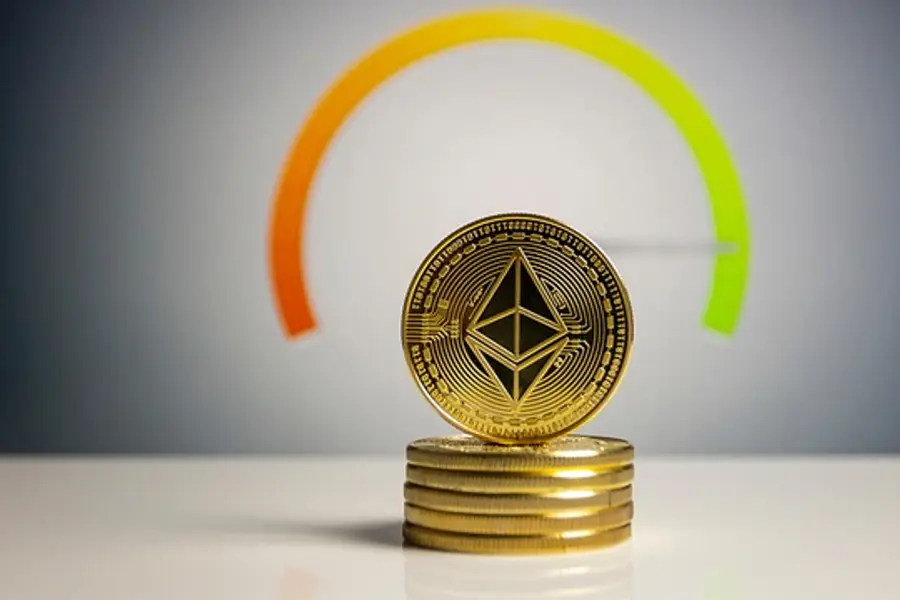
Ethereum treasury accumulation accelerates during market volatility
Ethereum treasury firm Bitmine made headlines last week by acquiring over 71,000 ETH, marking a significant increase in its accumulation pace compared to previous periods. This aggressive "buy the dip" strategy comes at a time when the broader cryptocurrency market is grappling with renewed price fluctuations and shifting macroeconomic indicators. The response from institutional players suggests a growing divergence between long-term treasury strategies and short-term retail sentiment.
The scale of this purchase, documented by on-chain analysts and reported by CoinDesk, highlights a robust institutional appetite for Ethereum despite recent price corrections. While retail investors often retreat during periods of uncertainty, treasury firms like Bitmine appear to be utilizing lower price entries to strengthen their balance sheets. The point principal é: high-volume institutional buying often serves as a support floor for assets undergoing technical pullbacks.
Experts evaluate that Bitmine’s move reflects a broader trend of corporate treasury diversification into digital assets. By increasing their Ethereum holdings by such a substantial margin in a single week, the firm is signaling confidence in the network's long-term utility. In simple terms: when large entities buy in bulk during a downturn, they are betting on the eventual recovery of market liquidity and asset valuation.
Tom Lee links Ethereum price pressure to rising oil costs
Tom Lee, the respected Head of Research at Fundstrat, has provided a provocative explanation for the recent weakness in Ethereum’s price action. According to Lee, the pullback in ETH is directly correlated with the recent spike in global oil prices. This macro-driven analysis suggests that as energy costs rise, inflation expectations follow, which in turn forces the Federal Reserve to maintain a restrictive monetary policy.
The technical implication is that rising oil prices act as a "tax" on global growth and a catalyst for higher interest rates. When the cost of energy increases, the discount rate applied to future cash flows of high-growth assets—including cryptocurrencies—rises as well. The short answer is: expensive oil creates a "risk-off" environment where investors flee speculative assets in favor of the US Dollar and cash equivalents.
According to official data from energy markets, Brent crude has seen persistent upward pressure due to geopolitical tensions and supply constraints. Tom Lee argues that until energy prices stabilize, risk assets like Ethereum will face a valuation ceiling. Specialists evaluate that the correlation between traditional commodities and digital assets is tightening as crypto becomes more integrated into global institutional portfolios.
"The correlation between Ethereum and macro indicators like oil highlights that crypto no longer trades in a vacuum; it is now a primary gauge of global liquidity and inflation expectations." — Fundstrat Research Note.
Why institutional dip buying matters for the market
The decision by Bitmine to purchase 71,000 ETH is more than just a single trade; it is a signal of institutional resilience. Treasury firms operate with a multi-year horizon, meaning their entry points are chosen based on fundamental value rather than daily price momentum. This behavior provides a counterbalance to the liquidations often seen in the futures and derivatives markets during volatility.
Institutional accumulation is often a precursor to market stabilization. When firms like Bitmine increase their buying activity by such a sharp margin, it absorbs the sell-side pressure from retail traders and panic-sellers. In technical summary: institutional absorption reduces the circulating supply available on exchanges, which can lead to a supply shock once the macroeconomic environment turns favorable again.
Furthermore, this trend illustrates the maturing of the Ethereum ecosystem. With the advent of Ethereum ETFs and increased regulatory clarity from the SEC, the asset is increasingly viewed as "digital oil" or a yield-bearing commodity. The practical implication is: treasury management is becoming a sophisticated endeavor where ETH plays a central role in corporate finance for Web3-native companies.
The impact on the Brazilian financial landscape
For investors in Brazil, the combination of rising oil prices and Ethereum volatility presents a complex scenario involving the US Dollar and local inflation. Historically, rising oil prices lead to a stronger US Dollar, which exerts downward pressure on the Brazilian Real (BRL). This "double whammy" means that while ETH might be cheaper in USD terms, it may remain expensive for those buying with Reais.
The impact on Brazil is also felt through local investment vehicles like HASH11 and QETH11. As global volatility increases, these ETFs reflect the underlying asset's price movements while being influenced by the BRL/USD exchange rate. Brazilian retail investors should note that macro-induced pullbacks often create opportunities for those utilizing "Dollar Cost Averaging" (DCA) strategies to mitigate the effects of currency devaluation.
According to data from the Central Bank of Brazil, inflation remains a sensitive topic for the COPOM (Monetary Policy Committee). If rising oil prices continue to fuel global inflation, the likelihood of domestic interest rate cuts diminishes. Specialists suggest that Brazilian investors should monitor the Fed's decisions closely, as they dictate the flow of capital into emerging markets and high-risk asset classes like crypto.
Expert analysis and the outlook for Ethereum
Market analysts from firms like Glassnode suggest that on-chain metrics are showing signs of "accumulation at value." While the price has struggled to regain previous highs, the "HODL" waves indicate that long-term investors are not selling. Instead, coins are moving from exchanges to private wallets, a move typically associated with a preparation for a supply squeeze.
The consensus among financial strategists is that the "Tom Lee thesis" on oil will remain a dominant narrative for the current quarter. If energy prices cool down, it could provide the necessary relief for Ethereum to decouple from the bearish macro trend. However, a sustained increase in oil above $90 per barrel could delay the next crypto bull run by keeping bond yields elevated and liquidity tight.
- Upside Opportunity: Institutional support floors established by firms like Bitmine indicate a strong long-term conviction.
- Macro Risk: Continued escalation in energy prices may lead to "higher for longer" interest rates from the Federal Reserve.
- Technical Scenario: Ethereum needs to hold key support levels to prevent a deeper slide toward yearly lows.
Conclusion: Navigating the macro-crypto nexus
The recent purchase of 71,000 ETH by Bitmine serves as a reminder that professional capital is still flowing into the Ethereum ecosystem despite the noise in the macro markets. While Tom Lee’s analysis of oil prices provides a sobering look at the challenges ahead, the underlying fundamentals of network growth and institutional adoption remain intact for the medium to long term.
Investors should view the current volatility not as an isolated event, but as part of a larger realignment of global assets in the face of inflationary pressures. The answer is: the path forward for Ethereum depends on a delicate balance between institutional accumulation and the stabilizing of global energy markets. For the average investor, staying informed on these macro correlations is essential for portfolio resilience.
"The convergence of energy markets and digital assets is the new frontier of macro analysis, where oil prices dictate the liquidity that fuels the next wave of crypto innovation." — Senior Market Analyst, FinanceNews.