Chipotle shares surge following surprise same-store sales growth
Chipotle Mexican Grill shares surged by 6.2% in after-hours trading on Wednesday following the release of its first-quarter financial results. The company reported a surprise gain in same-store sales, significantly exceeding Wall Street estimates and easing fears regarding a broader slowdown in the restaurant industry. This performance highlights a robust demand for the brand despite multiple rounds of price increases implemented over the past year.
The short answer is that Chipotle’s ability to maintain high foot traffic while raising prices suggests a strong level of brand loyalty. While competitors in the fast-food space have reported thinning margins and lower transaction volumes, Chipotle’s "fast-casual" positioning appears to be attracting a more resilient demographic. Investors reacted positively to the data, viewing it as a sign of operational strength in a volatile economy.
In simple terms, the company’s success stems from its perceived value proposition, which balances quality ingredients with speed. According to official reports, the earnings per share and total revenue both landed above consensus, providing a much-needed boost to the consumer discretionary sector. This trend challenges the prevailing narrative that high inflation is universally curbing American spending habits on dining out.
What happened during the first quarter earnings report
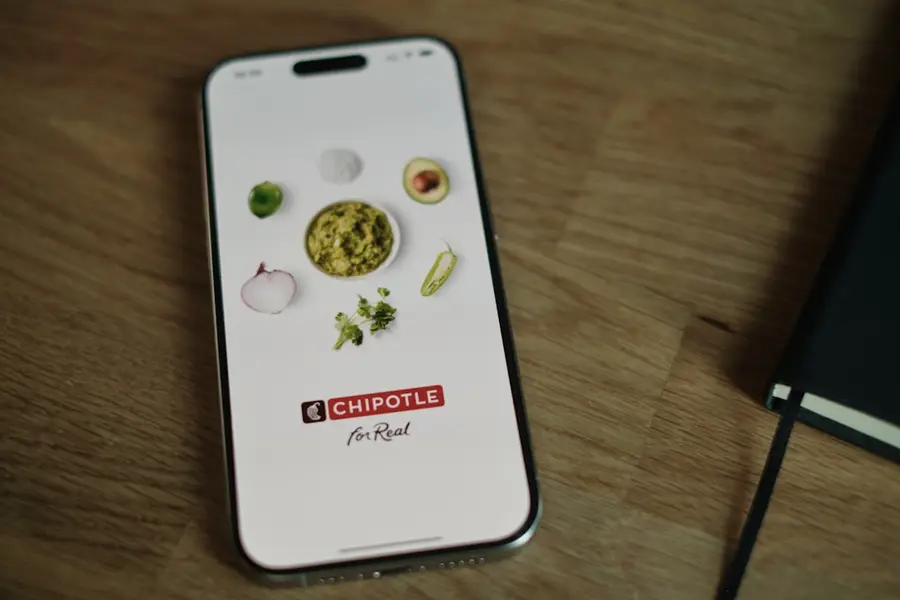
Chipotle managed to eke out a surprise same-store sales gain that caught many analysts off guard. Market data shows that the company’s digital sales continue to represent a significant portion of its total revenue, bolstered by a sophisticated mobile app and loyalty program. This digital infrastructure allows the chain to manage high volumes efficiently even during peak lunch and dinner hours.
The implication practice is that Chipotle is effectively using technology to offset rising labor and ingredient costs. By optimizing its "Chipotlane" drive-thrus and digital make-lines, the company has increased its throughput, meaning it can serve more customers per hour. This operational efficiency is a primary driver behind the 6.2% jump in stock price observed after the market close.
"Chipotle's results demonstrate that a focused menu and operational excellence can overcome macroeconomic headwinds that are currently hampering the wider restaurant industry," according to a leading analyst at a major Wall Street investment bank.
Why this matters for global investors
The point principal is that Chipotle’s performance serves as a leading indicator for the health of the American consumer. If consumers are willing to pay premium prices for burritos, it suggests that the "soft landing" scenario for the economy remains plausible. For global portfolios, this shifts the focus toward high-quality consumer stocks that possess strong pricing power and brand equity.
In summary technical, the restaurant sector has been under pressure due to rising wages and the increased cost of raw materials like avocados and beef. Chipotle’s ability to expand its margins under these conditions is a testament to its scale and supply chain management. Specialists evaluate that this earnings beat may prompt a revaluation of other stocks in the fast-casual category.
According to data from the Securities and Exchange Commission (SEC) filings, Chipotle's disciplined approach to expansion also contributed to the positive sentiment. The company is on track to open hundreds of new locations, focusing on suburban markets where demand remains high. This growth trajectory provides a clear roadmap for long-term value creation for institutional and retail investors alike.
Impact on the Brazilian market and investors
For Brazilian investors, the Chipotle case study is highly relevant as it reflects global trends in food inflation and consumer behavior. Many Brazilian investors hold positions in US equities through BDRs (Brazilian Depositary Receipts) or direct brokerage accounts. A surge in a major component like Chipotle often influences the broader performance of the S&P 500 and consumer-focused ETFs.
The impact on Brazil is also seen through the lens of local listed companies in the food sector, such as Zamp and International Meal Company. Experts evaluate that Chipotle’s success provides a benchmark for Brazilian chains attempting to implement price hikes without losing volume. If American consumers can absorb these costs, it offers a glimmer of hope for similar resilience in emerging markets.
Furthermore, the strength of US consumption patterns, as evidenced by Chipotle, supports a "higher for longer" interest rate environment by the Federal Reserve. This has a direct correlation with the US Dollar to Brazilian Real exchange rate. When US consumer data remains strong, the Dollar tends to strengthen, creating inflationary pressure on imported goods and commodities within the Brazilian domestic market.
What experts and data are saying
Especialistas avaliam que the divergence between fast-food and fast-casual is becoming more pronounced in the current economic cycle. While lower-income consumers are pulling back from traditional fast food, middle and upper-income diners are trading down from full-service restaurants to Chipotle. This "trade-down" effect is providing a significant tailwind for the company's same-store sales metrics.
According to reports from major brokerage firms, Chipotle’s stock valuation remains premium compared to its peers, but its consistent growth justifies the multiple. The company’s balance sheet is characterized by a lack of long-term debt, which is a rare and attractive feature in a high-interest-rate environment. This financial stability allows Chipotle to reinvest in its staff and technology without external funding.
"We are seeing a clear bifurcation in the market where brands with high perceived value and digital maturity are winning the wallet share of a more cautious consumer," stated a senior analyst in a recent market commentary.
What to expect from the restaurant sector now
The short answer is that the market will likely look for similar signs of resilience in upcoming earnings calls from other major food chains. Investors are specifically watching for how companies manage the balance between price increases and traffic. Chipotle has set a high bar, suggesting that the "inflation fatigue" widely feared by Wall Street may not be a universal phenomenon.
In terms of future risks, the company must continue to navigate volatile commodity prices and a tight labor market. Any slip in food safety or service quality could quickly erode the brand premium that Chipotle currently enjoys. However, the current momentum suggests that the company is well-positioned to navigate a potential economic cooling period in the latter half of the year.
- Opportunities: Continued expansion into international markets and the integration of automation in kitchens to further boost margins.
- Risks: Potential saturation in the US market and the sensitivity of consumers to further price hikes if inflation remains sticky.
- Scenarios: A sustained bull run if the Federal Reserve begins cutting rates, or a period of consolidation if consumer spending finally hits a wall.
In summary technical, Chipotle's Q1 results have provided a robust rebuttal to the bearish sentiment surrounding the restaurant industry. By focusing on core operational strengths and digital engagement, the company has proven that it can thrive even when the macroeconomic environment is challenging. This makes it a critical stock to watch for anyone tracking the intersection of inflation and consumer behavior.