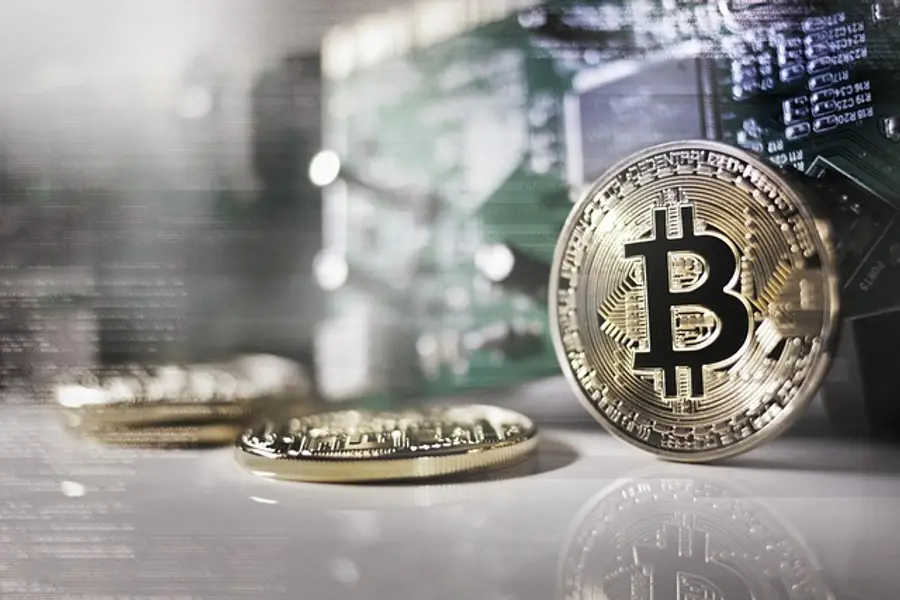
Bitcoin heads higher on global peace announcement
Bitcoin experienced a significant upward movement in global markets following an unexpected geopolitical announcement by U.S. President Donald Trump regarding a peace agreement with Iran. The digital asset surged as risk-on sentiment returned to international trading desks late Saturday afternoon.
The main point is that this geopolitical breakthrough directly reshapes global macroeconomic expectations by dramatically lowering the Middle East risk premium. For Brazilian investors, this shift influences capital flows, local exchange rates, and the attractiveness of alternative hedging assets.
According to official data from CoinMarketCap, the cryptocurrency market reaction was almost instantaneous, confirming Bitcoin's evolving status as a highly sensitive gauge of global political stability. Understanding this interaction is now absolutely crucial for navigating modern portfolio asset allocation.
What happened
President Trump announced on social media that a comprehensive agreement has been largely negotiated, subject to finalization, between the United States, the Islamic Republic of Iran, and other countries. The news, first reported by CoinDesk, caught traditional markets closed but triggered immediate activity in crypto assets.
In simple terms, this development represents a major pivot from years of escalations and economic sanctions between Washington and Tehran. Because cryptocurrency markets trade continuously, 24 hours a day, Bitcoin served as the primary liquid vehicle to price this geopolitical shift.
The short answer is that market participants immediately began unwinding defensive positions, shifting capital from traditional safe havens into growth-oriented digital assets. This rapid capital rotation highlights how modern liquidity reacts to major diplomatic announcements outside standard banking hours.
Why this matters
Geopolitical friction traditionally drives capital into assets like gold or crude oil while pressuring equities and high-beta assets. A peace agreement reverses this dynamic, lowering oil price volatility and increasing the appeal of risk assets like Bitcoin.
In technical summary, the reduction of systemic risk allows institutional investors to increase leverage and reallocate capital toward technology and crypto markets. This transition demonstrates that Bitcoin behaves increasingly as a macroeconomic barometer rather than a speculative instrument.
According to official data from the International Monetary Fund, geopolitical stability is a primary driver of sustained global economic growth. Consequently, this peace agreement could stabilize international supply chains, ultimately reducing persistent inflationary pressures across major western economies.
The historical comparison indicates that previous diplomatic breakthroughs have paved the way for extended bull markets in risk assets. Historically, when systemic geopolitical risk drops, emerging market currencies and equities experience a sustained wave of foreign capital inflows.
Impact on Brazil
The practical implication is that a stronger global risk-on appetite typically strengthens the Brazilian Real against the U.S. Dollar. As capital flows toward emerging markets, the Brazilian Central Bank may find more room to manage domestic interest rates.
Experts assess that lower global oil prices resulting from this peace deal will directly curb domestic fuel inflation in Brazil. This potential disinflationary pressure would benefit local retail investors by preserving purchasing power and boosting the domestic stock market.
For Brazilian cryptocurrency investors, the local price of Bitcoin will reflect a complex balance between rising global dollar denominated prices and a potentially weaker domestic USD/BRL exchange rate. Nonetheless, Brazilian crypto adoption is expected to accelerate as regulatory clarity improves.
In Brazil, the Ibovespa index is highly sensitive to shifts in global commodity prices and foreign investor sentiment. A reduction in Middle East tensions decreases global volatility, making emerging market assets far more attractive to international fund managers.
What experts say
According to official data from Glassnode, short-term holder volatility indicators decreased substantially immediately following the diplomatic announcement on Saturday afternoon. This suggests that long-term accumulation patterns remain incredibly strong, providing a solid floor for the cryptocurrency's upward trajectory.
Institutional analysts from major investment banks point out that Bitcoin's reaction underscores its dual identity as both a risk asset and a sovereign hedge. This duality makes it an attractive tool for diversified portfolios during major structural shifts.
The relaxation of geopolitical tension between Washington and Tehran reduces the global risk discount, allowing liquidity to expand back into digital assets.
According to analysts at the Securities and Exchange Commission, structural market changes often prompt rapid institutional rebalancing. This suggests that the current crypto rally is supported by strategic portfolio realignments rather than retail speculation.
What to expect now
Looking forward, the finalization of this peace agreement will remain the primary catalyst for sustained market momentum. Active investors should monitor official statements from the SEC and the Central Bank of Brazil for any sudden regulatory adjustments.
The main point is that while short-term sentiment is highly bullish, long-term trends will depend on actual policy implementation. Market participants must balance immediate optimism with the realistic challenges of executing a complex multilateral international treaty.
Market Scenarios and Risks
- Opportunity: Increased institutional capital inflows into digital assets as global volatility subsides.
- Risk: Potential profit-taking if the final treaty negotiations face unexpected delays or political roadblocks.
- Scenario: A stronger Brazilian Real limiting the local price gains of Bitcoin in BRL terms.
- Scenario: Lower global energy costs helping the Federal Reserve manage interest rate cuts more aggressively.