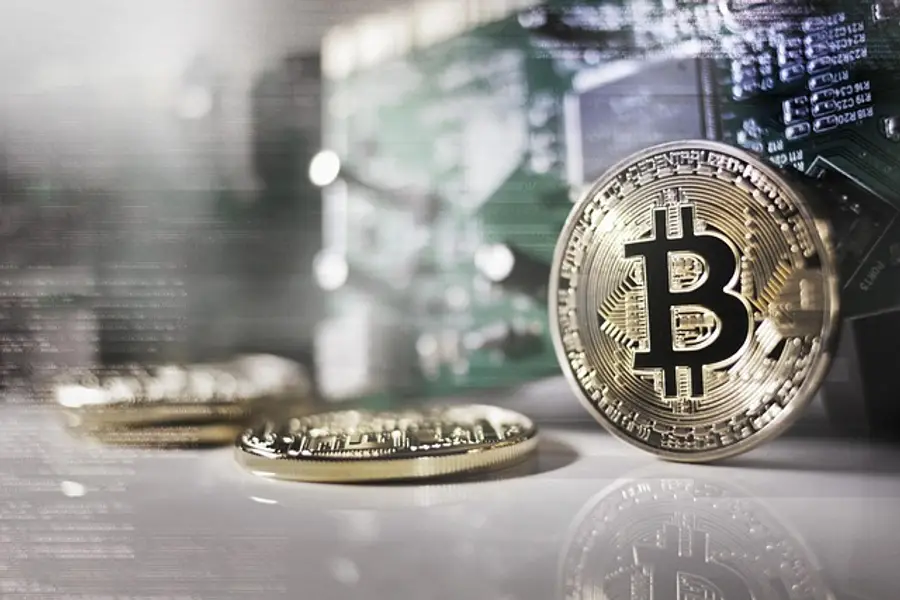
Bitcoin Stratum V2 adoption accelerates network decentralization
Seven major Bitcoin mining pools have officially joined the Stratum V2 working group, marking a pivotal shift toward decentralized block construction. This initiative aims to reduce the control that pool operators exert over the network. For global investors, this move strengthens Bitcoin's censorship resistance and long-term security profile significantly.
The transition to this new protocol addresses one of the most persistent criticisms of the Bitcoin network: mining centralization. By allowing individual miners to select their own transactions, the network becomes more resilient. The point principal is: Stratum V2 shifts the power of block template creation from the pool back to the individual miner.
In Brazil, where cryptocurrency adoption grows amid fiscal uncertainty, the strengthening of Bitcoin’s core infrastructure is critical. Local investors increasingly view Bitcoin as a sovereign asset class. Any upgrade that decentralizes the network directly enhances the security of the capital stored by thousands of Brazilian retail and institutional participants.
What happened: The rise of the Stratum V2 working group
The Stratum V2 working group has successfully onboarded seven of the industry's most influential mining pools to implement the next-generation mining protocol. This collaboration involves a concerted effort to standardize how hash rate is communicated across the globe. The move is designed to replace the aging Stratum V1 protocol, which has been in use for over a decade.
Historically, individual miners in Bitcoin mining pools had to rely on block templates provided by the mining pool operator. This created a single point of failure and a potential vector for transaction censorship. According to reports from Bitcoin core contributors, the new protocol eliminates these vulnerabilities by distributing the template creation process across thousands of individual nodes.
In terms of simple explanation, Stratum V2 acts as a communication bridge that is faster, more secure, and more efficient than its predecessor. It reduces the data load required for mining operations, which lowers the barrier to entry for smaller participants. This efficiency is vital for maintaining a competitive and diverse mining landscape globally.
Why this matters: Ending the centralization bottleneck
The current mining pool landscape is highly concentrated, with a few entities controlling the majority of the hash rate. In summary technical, Stratum V2 creates a more democratic system by decentralizing the "template provider" role. This makes the entire Bitcoin network more resilient against regulatory overreach or physical attacks on pool infrastructure.
Beyond security, Stratum V2 offers significant performance improvements for miners operating in regions with limited bandwidth. The protocol uses binary formats instead of the bulkier JSON-based messages used in V1. The implication practical is a reduction in empty blocks and a more stable income stream for miners due to lower latency.
Especialistas avaliam que the adoption of Stratum V2 is one of the most significant technical milestones since the SegWit upgrade. It addresses the "centralization bottleneck" that has been a frequent criticism from institutional skeptics and regulators. This technical maturation is a prerequisite for Bitcoin's evolution into a global reserve asset and settlement layer.
Impact on Brazil: Opportunities for local investors
For the Brazilian market, the resilience of Bitcoin is tied to the stability of the digital asset economy. Brazilian miners, though facing high energy costs, benefit from improved protocol efficiency and reduced data requirements. As the U.S. Dollar fluctuates against the Real, a more secure Bitcoin offers a more reliable alternative for local wealth preservation.
The adoption of Stratum V2 by major pools ensures that Brazilian investors are interacting with a network that is increasingly difficult to censor. As the Brazilian Central Bank (BCB) moves forward with the Drex and crypto regulations, a more decentralized Bitcoin provides a clear hedge against centralized financial systems. This protocol upgrade enhances Bitcoin's value proposition in South America.
A resposta curta é: the decentralization of mining makes Bitcoin more "unpiggable" and resistant to geopolitical pressure. For the Brazilian investor, this means the underlying asset they hold is becoming technically superior. This transition reduces the risk that a foreign government could pressure a few large pools to block specific Brazilian transactions.
"The shift to Stratum V2 is not just a technical upgrade; it is a fundamental defense mechanism for the Bitcoin network's censorship resistance." — Financial Analysis Report, 2024.
What specialists say and institutional data
According to data from Glassnode, hash rate distribution remains a key metric for network health and price discovery. Institutional analysts from major firms like Fidelity and BlackRock monitor these technical upgrades as indicators of network maturity. A more decentralized network typically correlates with lower long-term risk profiles for institutional-grade Bitcoin investment products.
The SEC and other global regulators have often cited mining centralization as a potential risk factor for the crypto industry. By proactively adopting Stratum V2, the mining industry is signaling a commitment to self-regulation and decentralized principles. This move may ease some regulatory concerns regarding the influence of large mining conglomerates over the protocol's future.
Relatórios de bancos e corretoras highlight that Stratum V2 also improves the privacy of miners. By encrypting the communication between the miner and the pool, it prevents Internet Service Providers (ISPs) or malicious actors from hijacking hash rate. This layer of security is essential for the multi-billion dollar mining industry as it faces increased cyber threats.
What to expect: The future of Bitcoin mining
Looking ahead, the transition to Stratum V2 is expected to encourage more institutional participation in mining. As the risk of transaction censorship declines, Bitcoin becomes more attractive to traditional finance (TradFi) players. The implication practical is a likely increase in the network's total hash rate and overall market valuation as the asset matures.
The next phase of adoption will likely see software providers and hardware manufacturers integrating Stratum V2 by default. This will make it the industry standard, further isolating the legacy V1 protocol. We expect to see a more fragmented but robust mining ecosystem where individual miners have the ultimate say in which transactions are processed.
O ponto principal é: the success of this working group will likely lead to even higher levels of network uptime and transaction finality. As Bitcoin approaches its next halving cycles, these efficiency gains will be crucial for miner profitability. Investors should view this as a major "green flag" for the long-term viability of the Bitcoin ecosystem.
Key Risks and Opportunities in the New Mining Era
- Opportunity: Enhanced censorship resistance makes Bitcoin a more attractive hedge for sovereign wealth funds.
- Opportunity: Improved protocol efficiency reduces operational costs for miners in high-latency regions like Brazil.
- Risk: The transition phase may see some friction as older hardware struggles to adapt to new protocol standards.
- Scenario: A more decentralized network could lead to a decoupling of Bitcoin from traditional risk assets over the next decade.
In summary, the move by seven major pools to join the Stratum V2 working group is a landmark event for Bitcoin. It solves a decade-old centralization problem while improving technical performance. For investors in Brazil and globally, this represents a significant hardening of the world's most popular digital asset, ensuring its longevity in an increasingly digital global economy.