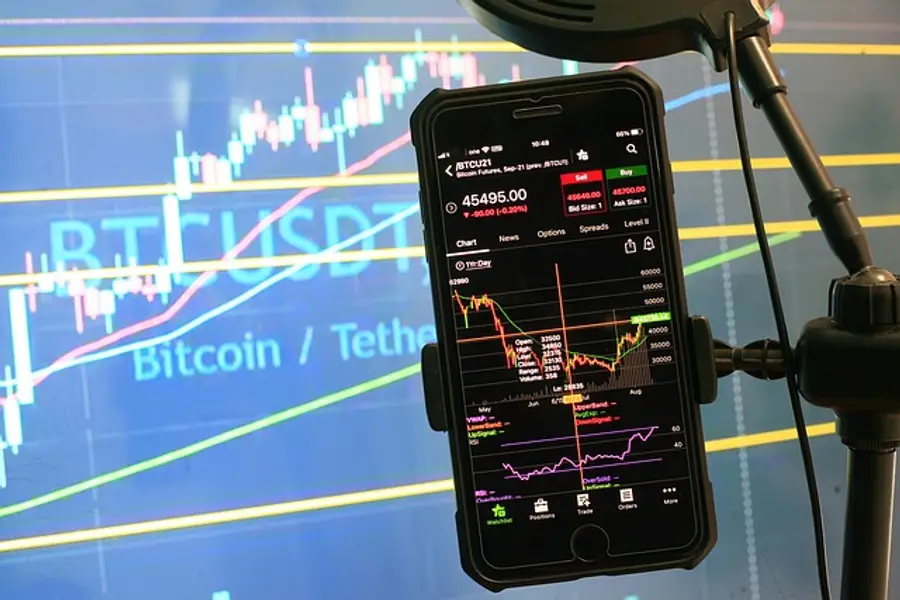
What Happened: MicroStrategy's $1.5 Billion Shift
Bitcoin treasury strategy has experienced a major shift as software firm MicroStrategy announced a temporary pause in direct cryptocurrency purchases. The company plans to redirect capital from its recent $1.5 billion zero-percent convertible senior notes offering into high-yield Treasury bonds. This strategic reallocation marks a transition toward a more diversified financial structure.
Global cryptocurrency investors are analyzing whether MicroStrategy 2.0 signals a bearish trend or a tactical treasury maneuver by Michael Saylor. The decision to halt immediate Bitcoin purchases impacts digital asset liquidity and corporate balance sheet standards worldwide. This shift represents a crucial turning point in corporate cryptocurrency adoption strategies.
According to official data from the US Securities and Exchange Commission (SEC), MicroStrategy raised $1.5 billion through zero-coupon convertible senior notes maturing in 2031. Instead of immediately acquiring digital assets, the corporation decided to hold these capital reserves in short-term US Treasury bills. This represents a temporary break from their continuous purchasing cycle.
Why It Matters: The Financial Engineering Behind the Pause
In simple terms: MicroStrategy is optimizing its capital structure by leveraging debt at 0% interest to earn risk-free yields from US government bonds. This yield-arbitrage strategy allows the firm to accumulate risk-free returns while waiting for optimal cryptocurrency market conditions. The company has not abandoned its long-term commitment to digital assets.
The main point is: Michael Saylor's company is transforming its balance sheet into an active treasury fund rather than a passive holding vehicle. By utilizing government debt instruments, the enterprise secures liquidity while maintaining the flexibility to execute massive buy orders. This evolution represents what analysts call the MicroStrategy 2.0 era.
The short answer is: MicroStrategy's pivot reduces the immediate buying pressure that historically supported the digital asset during price consolidations. Historically, the firm operated as a primary institutional buyer, absorbing market supply during volatile periods. A temporary pause removes a significant liquidity pillar from the spot market in the near term.
In technical summary: the issue of convertible debt with a 0% coupon rate allows the company to minimize immediate interest expenses. By investing these proceeds into Treasury bonds yielding over 4.5%, the corporation generates a positive interest rate spread. This financial mechanism strengthens the company's balance sheet without diluting existing shareholder equity.
Impact on Brazil: Local Cryptocurrencies and Macroeconomic Effects
For Brazilian financial markets, the pause in institutional Bitcoin accumulation influences the local currency exchange rate and capital flight trends. As US Treasury yields remain attractive, global capital tends to flow back to the United States, strengthening the US dollar against the Brazilian real. This currency pressure indirectly affects local cryptocurrency pricing dynamics.
Especialistas avaliam que: Brazilian retail investors holding digital assets through local brokerages or exchange-traded funds (ETFs) on the B3 stock exchange must prepare for increased volatility. A temporary reduction in institutional buying power in the US can lead to price corrections in Brazil. Local investors should monitor these macro shifts carefully.
According to official data from the Central Bank of Brazil, domestic interest rates (Selic) remain high to combat inflation, which complicates foreign investment allocations. When major global corporate treasuries shift to US Treasuries, it reduces the risk appetite for emerging markets. Consequently, Brazilian equity markets and domestic crypto funds may experience capital outflows.
What Experts Say: Market Analysts Weigh the Risks
The practical implication is: institutional investors now view MicroStrategy as a sophisticated macro hedge fund rather than a pure proxy for digital asset exposure. This shift may attract conservative institutional capital that previously avoided the stock due to extreme volatility. It bridges traditional fixed-income markets and high-risk digital assets.
"MicroStrategy's transition to a yield-earning treasury structure represents a mature evolutionary step for corporate digital asset management globally." — Financial Analyst Association
Market analysts from major institutions like Glassnode and CoinMarketCap suggest that MicroStrategy’s strategy is highly tactical and opportunistic. Experts assess that: the company is building a massive cash reserve to buy digital assets during future market corrections. This cash buffer protects the enterprise from liquidity shocks during unexpected macroeconomic downturns.
On the other hand, some risk managers warn that holding government debt instead of digital assets might dilute the company’s core investment thesis. If the digital asset market enters a sudden bullish cycle, the opportunity cost of holding low-yield Treasury bonds could be substantial. The company must balance safety with performance.
What to Expect Now: Future Scenarios for Digital Assets
In the coming quarters, global markets will watch how MicroStrategy deploys its $1.5 billion cash reserve. The company’s actions will likely define corporate treasury standards for other publicly traded firms. Investors should monitor SEC filings for any signs of the firm resuming its direct asset acquisition program.
The strategic choices ahead present unique dynamics for the global financial ecosystem. Market participants must evaluate several potential directions:
- Strategic opportunities to acquire assets during market liquidity drawdowns.
- Financial risks associated with shifting inflation metrics and interest rate fluctuations.
- Regulatory scrutiny regarding corporate debt issuance used for alternative asset plays.
- Long-term corporate positioning as a hybrid financial vehicle.