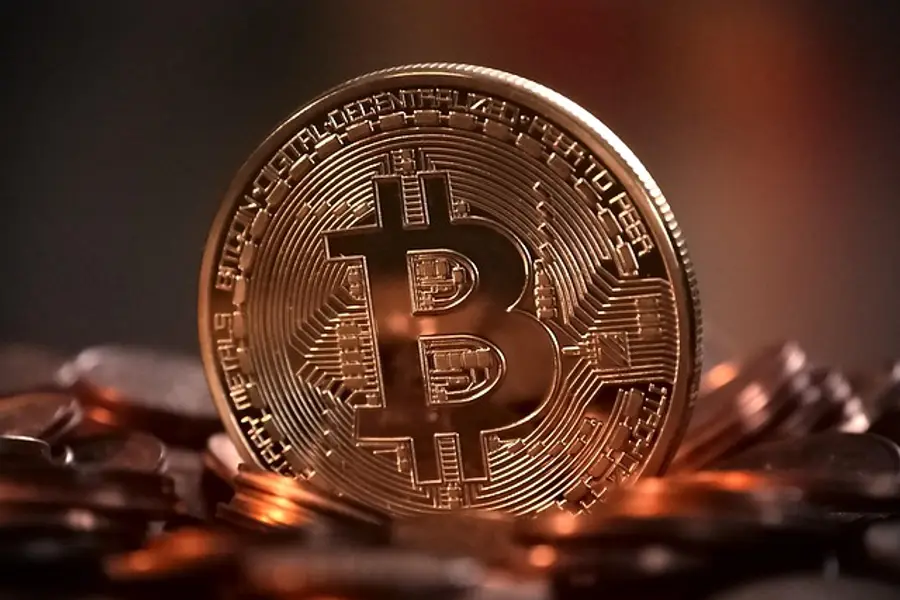
Bitcoin rally extends as institutional buying floors the market
Bitcoin institutional accumulation remains the primary catalyst for current price action. Large-scale buyers and corporate treasuries are absorbing supply from the market, creating a solid floor for valuations. Unlike previous cycles driven by retail speculation, this phase is characterized by spot buying rather than excessive liquidations in the futures market.
The response curta is: while the price continues to climb, professional traders are hedging their bets against extreme volatility. Data from the options market indicates that the probability of Bitcoin reaching the $84,000 milestone by the end of May is currently estimated at just 25%. This discrepancy highlights a gap between spot demand and derivative expectations.
In terms of simple definitions, institutional accumulation refers to the consistent purchase of Bitcoin by entities like BlackRock and MicroStrategy. These players prioritize long-term holdings over short-term trades. This behavior reduces the available supply on exchanges, which typically leads to price appreciation when demand remains steady or increases across global markets.
What happened in the BTC derivatives market
Bitcoin options pricing currently reflects a cautious sentiment among professional traders regarding immediate upside targets. The 25% probability of hitting $84,000 suggests that market makers are not expecting a vertical breakout in the coming weeks. This conservative outlook persists despite the strong performance of spot Exchange Traded Funds in the United States.
The main point is: the lack of bullish leverage is actually a healthy sign for the current rally. In previous bull markets, high levels of leverage often led to "long squeezes" where prices crashed suddenly. Today, the market appears more stable because investors are buying the underlying asset rather than trading on margin.
According to official data from major derivatives exchanges, the call-to-put ratio shows a balanced distribution of sentiment. While investors remain optimistic about the long-term trajectory, they are purchasing protective puts to manage downside risk. This institutional approach creates a more resilient price structure compared to the retail-driven bubbles of 2017 and 2021.
Why this matters for global investors
Economic consequences of this institutional shift include lower intraday volatility and more predictable price cycles. When corporate entities dominate the order book, the market tends to follow macroeconomic trends rather than social media hype. This maturity makes Bitcoin a more attractive asset for traditional portfolios seeking diversification against currency devaluation.
The practical implication is: investors should monitor the "basis trade" and funding rates to gauge market heat. Currently, these indicators remain at moderate levels, suggesting that the market is not yet overheated. This environment allows for gradual price discovery led by fundamental demand rather than unsustainable speculative bubbles across the crypto ecosystem.
"The current market structure suggests a transition from speculative fervor to institutional maturity, where spot demand outweighs the influence of high-leverage derivatives players," states a recent analysis regarding Bitcoin market health.
Impact in Brazil and emerging markets
Bitcoin in Brazil serves as a critical hedge against local currency depreciation and domestic political uncertainty. As the Brazilian Real faces pressure from fiscal concerns, many local investors turn to BTC as a "digital dollar" equivalent. The price of Bitcoin in BRL often outpaces its performance in USD due to exchange rate fluctuations.
Impacto no Brasil is also felt through the growing popularity of crypto ETFs on the B3 stock exchange. Products like HASH11 and QBTC11 allow institutional and retail investors to gain exposure without the complexity of self-custody. This integration with the traditional financial system reinforces Bitcoin's role as a legitimate asset class for Brazilians.
Experts evaluate that the Brazilian Central Bank's stance on interest rates, the Selic, indirectly influences local crypto demand. When domestic rates remain high, the opportunity cost of holding non-yielding assets like Bitcoin increases. However, the persistent inflation seen in the Brazilian economy continues to drive investors toward decentralized alternatives for wealth preservation.
What specialists say about the $84,000 target
Especialistas avaliam that the $84,000 target remains a significant psychological and technical barrier for the current quarter. Reaching this level would require a substantial increase in retail participation or a new wave of corporate announcements. Most analysts agree that while the long-term trend is bullish, a consolidation period is likely before the next leg up.
According to Glassnode data, the realized cap of Bitcoin is reaching new highs, indicating that new capital is flowing into the network at higher price points. This fundamental growth supports the current valuation but does not guarantee an immediate breakout. The market is currently in a "price discovery" phase where resistance levels are being tested.
In technical summary, the options market is pricing in "tail risk," which includes both unexpected crashes and parabolic moves. The 25% chance for $84,000 reflects a standard distribution of outcomes where a moderate upward trend is the most probable scenario. This prevents the market from entering a state of irrational exuberance that often precedes a crash.
What to expect now: Risks and opportunities
O que esperar agora involves watching the Federal Reserve’s upcoming decisions on interest rates and inflation data. Since Bitcoin is viewed as a high-risk asset by many traditional institutions, any shift in US monetary policy will have an immediate impact on BTC liquidity. A "dovish" Fed could be the catalyst needed to beat the options market odds.
- Opportunity: Institutional entry through spot ETFs provides a consistent bid that was absent in previous years.
- Risk: Regulatory crackdowns on stablecoins could temporarily disrupt the liquidity flows essential for maintaining high price levels.
- Scenario: A period of sideways trading between $65,000 and $75,000 may occur as the market absorbs the recent halving impact.
- Opportunity: The development of Layer 2 solutions on Bitcoin increases the utility of the network beyond a simple store of value.
Conclusion and practical takeaways
The Bitcoin rally is currently standing on a foundation of professional accumulation rather than retail hype. While the options market suggests a low probability of hitting $84,000 in the immediate future, the underlying health of the market remains strong. Investors should focus on long-term accumulation patterns rather than short-term price targets influenced by derivatives.
For the average investor, the message is clear: the market is maturing, and the influence of leverage is waning. This shift reduces the risk of catastrophic liquidations but also means that "get rich quick" price jumps are becoming less frequent. A balanced approach, considering both global macro factors and local economic conditions in Brazil, remains the most prudent strategy.