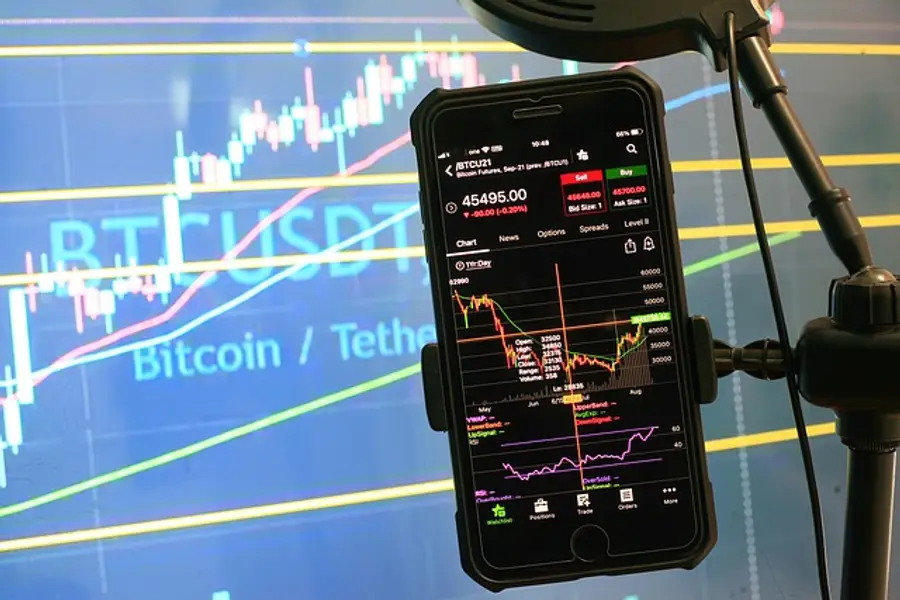
What Happened
Bitcoin index options received official approval from the SEC for listing on the Nasdaq exchange, marking a major milestone. The SEC decision represents a critical step forward in integrating traditional financial markets with digital assets globally. This regulatory approval will allow institutional investors to hedge cryptocurrency exposure directly through regulated equity derivatives.
In simple terms, this decision allows mainstream financial institutions to trade options contracts tied directly to Bitcoin indexes. For global investors, including those in emerging markets like Brazil, this move enhances liquidity, reduces entry barriers, and provides sophisticated risk-management tools. The practical implication is a deeper convergence between Wall Street and decentralized finance.
The Securities and Exchange Commission approved Nasdaq's proposal to list and trade index options tracking Bitcoin prices. According to official data from the SEC, these contracts will settle in cash and offer European-style exercise mechanics. This structural design reduces operational complexities associated with the physical settlement of digital tokens.
The Nasdaq Bitcoin Index Options (XBTX) will track the underlying asset value using real-time institutional pricing feeds. By utilizing regulated exchange-cleared options, the Nasdaq provides a secure environment backed by the Options Clearing Corporation. This mechanism mitigates counterparty risk, which has historically deterred conservative institutional capital from entering crypto markets.
Why It Matters
The main point is that index options offer institutional investors a highly efficient way to manage cryptocurrency volatility. Unlike spot exchange-traded funds (ETFs), options allow sophisticated trading strategies such as protective puts and covered calls. Consequently, large pension funds and mutual funds can now customize their risk exposure to digital currencies.
In technical summary, index options differ from equity options because they settle directly in cash rather than physical shares. This feature eliminates the need for custody of underlying Bitcoin, bypassing complex regulatory hurdles for major asset managers. Experts estimate that this clearing model will attract billions of dollars in dormant capital.
Impact on Brazil
The practical implication for the Brazilian financial market is a projected increase in institutional dollar inflows and product diversification. As Wall Street deepens its cryptocurrency integration, local institutions like B3 are likely to follow with similar derivative structures. This correlation helps stabilize regional market volatility while attracting foreign venture capital.
Brazilian retail investors will benefit from reduced volatility in local exchange-traded funds and more stable pricing. Because the Brazilian Real fluctuates against the US Dollar, SEC-regulated derivatives will provide better hedging instruments against foreign exchange risk. This macroeconomic link directly affects local inflation trends and domestic interest rate expectations.
According to official data from the Brazilian Securities and Exchange Commission (CVM), domestic crypto investments have grown exponentially. The introduction of Nasdaq index options provides a global benchmark that Brazilian fund managers can use to structure safer investment portfolios. This development will likely accelerate regulatory harmonization between Brazil and the United States.
Macroeconomic Implications for Latin America
The financial integration of cryptocurrency in North America directly influences capital flows across Latin American emerging economies. As institutional digital asset products become mainstream, foreign portfolio investors may reallocate capital from traditional local emerging market equities to global crypto-backed assets. This transition could put pressure on regional currencies against the US dollar.
Furthermore, regulatory developments in the United States often serve as a blueprint for Latin American authorities, including the Central Bank of Brazil. A successful rollout of Nasdaq index options will likely accelerate local discussions regarding advanced derivative instruments for digital assets on the Brazilian B3 exchange.
What Experts Say
Experts evaluate that the SEC approval represents a strategic shift in regulatory posture toward digital asset derivatives. While previous administrations resisted crypto-linked derivatives, the current financial environment demands highly regulated risk-management products. Financial analysts suggest that this approval paves the way for broader institutional adoption of alternative asset classes.
The listing of Bitcoin index options on Nasdaq is a transformative event that validates the asset class, bridging the gap between traditional derivatives clearing and decentralized finance protocol pricing.
According to reports from Glassnode, the derivatives market currently dictates a significant portion of Bitcoin price discovery. By shifting this volume to regulated US exchanges, market manipulation risks are expected to decrease significantly. This structural shift provides a safer environment for conservative wealth managers globally.
What to Expect Now
In the coming quarters, investors should expect a substantial rise in trading volumes for regulated cryptocurrency derivatives. Market participants will monitor how these options impact the spot price of Bitcoin during standard macroeconomic announcements. Increased liquidity typically correlates with lower long-term volatility and more predictable asset pricing cycles.
The integration of Nasdaq Bitcoin index options will likely spark a competitive race among global financial exchanges. Major trading hubs in Europe and Asia are expected to fast-track their own cryptocurrency derivatives approvals to retain institutional volume. This global competition will ultimately benefit the end investor through lower fee structures.
Key Risks and Opportunities for Investors
To assist portfolio managers and individual investors in navigating this new regulatory paradigm, global analysts have mapped out several market developments. Understanding these dynamics is crucial for balancing risk and return in a diversified asset allocation model under shifting macroeconomic conditions.
- Institutional Opportunities: Asset managers can now implement sophisticated hedging strategies, such as collar options, to protect large-scale crypto portfolios from sudden downside movements.
- Liquidity Scenarios: The influx of market-making firms on the Nasdaq is highly likely to compress bid-ask spreads, reducing transaction costs for institutional and retail market participants.
- Regulatory Risks: Increased oversight from the SEC could lead to stricter compliance mandates, potentially restricting access for certain high-leverage trading firms in foreign jurisdictions.
- Market Volatility: While long-term volatility may decrease, the initial introduction of index options could trigger short-term price fluctuations during monthly derivative expiration dates.