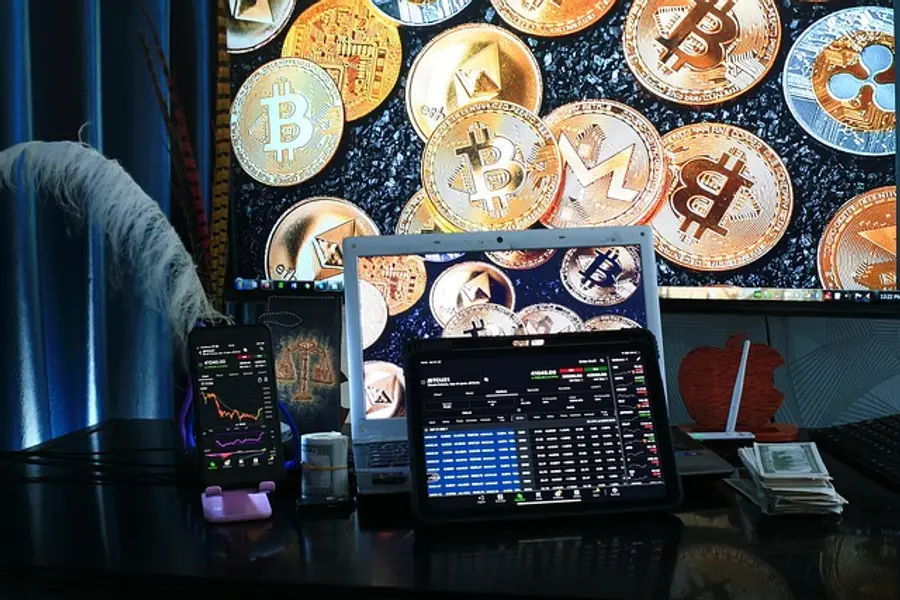
The Evolving Structure of the Crypto Market
The current Bitcoin bear market is exhibiting unprecedented structural dynamics as uniquely pessimistic traders limit the asset's downside risk. Unlike previous cyclical downturns characterized by retail hysteria, modern digital asset participants remain highly defensive. This systemic caution significantly reduces the probability of sudden, leverage-driven liquidations that historically devastated the cryptocurrency ecosystem.
For global investors, including a growing base of market participants in Latin America, this structural shift signals a maturing financial landscape. The reduction in speculative leverage suggests that digital currencies are slowly decoupling from chaotic retail bubbles. Consequently, understanding these institutional changes is essential for evaluating portfolio risk and strategic asset allocation today.
The main point is that reduced speculative activity establishes a stronger price floor for major digital assets. When leverage remains low, the market is less vulnerable to cascading margin calls that trigger sudden capitulation. Therefore, this unique phase of market pessimism offers a distinct risk profile compared to past crypto winters.
What Happened in the Crypto Market
According to official data from K33 Research, derivatives traders are maintaining unusually defensive market positions, which directly prevents dramatic price collapses. The open interest in Bitcoin futures has stabilized, showing that market participants are actively avoiding highly leveraged bets. This collective caution represents a major departure from the high-risk environments of 2021 and 2022.
In simple terms, traders are refusing to take aggressive long positions, choosing instead to hedge their portfolios against potential macroeconomic downturns. This defensive posture means that even if negative news hits the market, there are fewer overleveraged positions to liquidate. As a result, the market avoids the classic domino effect of forced selling.
Experts assess that the absence of speculative leverage has effectively immunized the crypto market against catastrophic, overnight failures. Historically, massive liquidations on unregulated offshore exchanges drove the sharpest market declines. Today, the dominance of regulated platforms and institutional oversight has significantly altered how market participants manage trading risks.
Why This Defensive Behavior Matters
The short answer is that low leverage creates an environment where organic supply and demand dictate asset valuation. When speculative margin trading decreases, price action reflects actual macroeconomic trends rather than artificial liquidations. This change provides a more reliable foundation for long-term valuation models used by major investment funds.
In technical summary, the current funding rates in perpetual swaps have remained consistently neutral or negative over extended periods. This metric proves that retail traders are not aggressively buying on margin, which prevents the market from becoming top-heavy. Consequently, the threat of a sudden deleveraging event has reached its lowest point in years.
Furthermore, data from Glassnode indicates that long-term holders continue to accumulate Bitcoin despite persistent macroeconomic headwinds. This underlying accumulation, paired with defensive derivatives positioning, creates a dual layer of support. Thus, the risk of a deep, systemic capitulation remains highly contained compared to prior market cycles.
Impact on Brazil and Emerging Markets
The practical implication is that Brazilian investors face a more stable local cryptocurrency market, cushioned against international shocks. In Brazil, where digital assets often serve as a hedge against inflation and local currency depreciation, reduced volatility is highly beneficial. A more stable Bitcoin protects local portfolios from sudden capital flight.
Furthermore, the Central Bank of Brazil and the local Securities Commission, known as the CVM, continue to develop clear regulatory frameworks. This growing regulatory clarity, combined with lower global leverage, encourages domestic institutional participation. Consequently, Brazilian pension funds and family offices can approach digital assets with reduced fear of sudden market collapses.
Additionally, the relationship between the US Dollar, local interest rates, and digital assets remains a critical factor for Brazilian portfolios. When global crypto volatility decreases, local investors can better calculate their risk premiums relative to high-yielding Brazilian government bonds. Therefore, defensive global markets directly support calmer domestic financial planning.
What Financial Experts and Data Say
Many institutional analysts point out that the current market structure resembles a consolidation phase rather than a chaotic bear market. While retail sentiment remains highly depressed, institutional capital inflows through regulated channels have stayed surprisingly resilient. This divergence suggests that professional investors view the current low-leverage environment as a highly attractive entry point.
"The structural leverage that caused the spectacular collapses of 2022 has been largely purged from the crypto ecosystem, leaving a much healthier and more resilient foundation for the next market cycle," noted analysts from K33 Research in their latest market report.
According to official data from the US Securities and Exchange Commission, the approval of regulated financial products has institutionalized market participation. This institutionalization shifts trading volume away from highly leveraged offshore platforms toward transparent, spot-based instruments. Consequently, the systemic risks associated with speculative margin trading have dramatically decreased on a global scale.
What to Expect Next for Investors
Moving forward, market participants should prepare for a period of low volatility and gradual price accumulation. As speculative excesses remain absent, sharp upward or downward movements will likely require significant macroeconomic catalysts. Investors should focus on long-term accumulation strategies rather than attempting to trade short-term speculative waves.
To navigate this unique financial environment successfully, investors must constantly monitor key indicators of leverage and local regulatory developments. Understanding the subtle balance between global macroeconomic risks and emerging institutional opportunities will define portfolio performance in the coming months.
Key Market Scenarios and Risks
Investors should carefully evaluate the following factors when adjusting their digital asset portfolios during this defensive cycle:
- Regulatory stability: Increased oversight from global bodies like the SEC and domestic entities like the CVM reduces systemic risks.
- Macroeconomic shifts: Movements in US Federal Reserve interest rates will continue to heavily influence global capital flows.
- Low leverage benefits: Reduced speculative trading limits the threat of sudden margin liquidation events.
- Accumulation opportunities: Extended periods of price consolidation allow long-term investors to build positions efficiently.